Why Layered Vehicle Security Is Better Than Relying on Insurance Alone

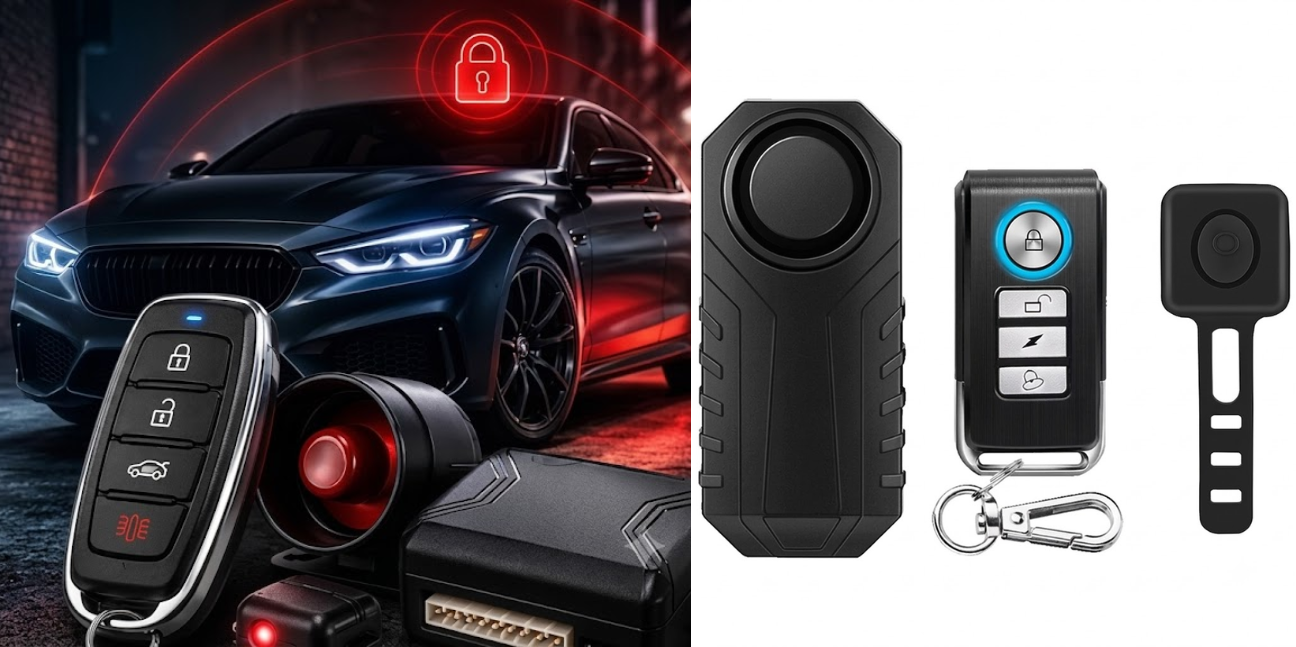
Vehicle ownership comes with responsibilities that extend far beyond routine maintenance and regular servicing.
Vehicle ownership comes with responsibilities that extend far beyond routine maintenance and regular servicing. Modern drivers face a growing number of risks, including vehicle theft, vandalism, hit-and-run incidents, and insurance fraud. While comprehensive insurance policies provide financial assistance after an incident, they cannot prevent crimes from happening or eliminate the inconvenience that follows a stolen or damaged vehicle.
This reality has encouraged many vehicle owners to adopt a more proactive approach. Instead of depending solely on insurance, they are investing in layered vehicle security—a strategy that combines multiple protective measures designed to deter theft, improve recovery chances, and provide valuable evidence if an incident occurs.
Layered vehicle security focuses on prevention rather than simply responding after a loss. By combining physical deterrents, vehicle tracking technology, and recording devices, drivers can significantly reduce risks while gaining greater peace of mind. Anti Apex offers solutions that support this comprehensive approach, making it easier for vehicle owners to protect their investments from multiple angles.
Why Vehicle Theft and Security Risks Continue to Rise
Vehicle theft has evolved considerably over the past decade. Criminals no longer rely exclusively on traditional break-ins or forced entry. Many thefts now involve sophisticated methods that exploit modern vehicle technology.
Some of the most common threats include:
- Keyless entry relay attacks
- Organized vehicle theft rings
- Driveway thefts during nighttime
- Parking lot theft
- Catalytic converter theft
- Vehicle vandalism
- Hit-and-run incidents
- Insurance scams involving staged accidents
As vehicles become more technologically advanced, criminals continue adapting their methods. Expensive electronics, luxury accessories, and connected vehicle systems make modern cars increasingly attractive targets.
Unfortunately, many owners assume that insurance alone provides adequate protection. However, insurance only begins helping after an incident has already occurred.
Why Insurance Alone Isn't Enough
Insurance remains an important part of responsible vehicle ownership, but it should not be viewed as a complete security solution.
An insurance policy may reimburse certain financial losses after a theft or accident, but it cannot replace the time, stress, and inconvenience associated with these events.
Some limitations of relying solely on insurance include:
Insurance Cannot Prevent Theft
Insurance companies compensate eligible claims after a vehicle has been stolen. They cannot stop criminals from targeting a vehicle in the first place.
Prevention is always more valuable than recovery.
Claims Can Take Time
Even straightforward claims often involve paperwork, inspections, documentation, and investigations. Depending on the situation, vehicle owners may spend days or weeks waiting for settlements or repairs.
During that period, transportation becomes more complicated, especially for commuters or families with only one vehicle.
Personal Items May Not Be Covered
Items stolen from inside a vehicle may not always be covered under an auto insurance policy. Electronics, luggage, tools, and personal belongings often require separate coverage or homeowner's insurance.
Replacing these valuables can become expensive.
Insurance Doesn't Recover Lost Memories
If important equipment, work documents, travel gear, or sentimental belongings disappear with a stolen vehicle, financial reimbursement cannot truly replace them.
Likewise, valuable time spent arranging alternate transportation, filing reports, and managing paperwork cannot be recovered.
Premiums May Increase
Submitting insurance claims can sometimes affect future premiums depending on the insurer, policy, and claims history.
Repeated claims may lead to higher costs over time, making prevention a smarter long-term investment.
Understanding Layered Vehicle Security
Layered vehicle security is based on a simple principle: no single security measure is perfect on its own.
Instead of depending on one device or one insurance policy, multiple security systems work together to reduce vulnerabilities.
Each layer serves a unique purpose.
One layer discourages criminals.
Another helps locate the vehicle.
Another documents what happens on the road.
Together, these layers provide significantly greater protection than any individual solution.
A typical layered security strategy includes:
- Physical theft deterrence
- Vehicle tracking technology
- Video recording while driving
- Secure parking habits
- Smart driving practices
- Regular maintenance of security equipment
When combined, these measures make vehicles less attractive targets while improving the owner's ability to respond if something does happen.
Layer One: Theft Prevention
The first layer of vehicle security focuses on stopping theft before it begins.
Many thieves seek quick, low-risk opportunities. If a vehicle appears difficult to steal, criminals often move on to an easier target.
Visible security measures play a significant role in discouraging theft.
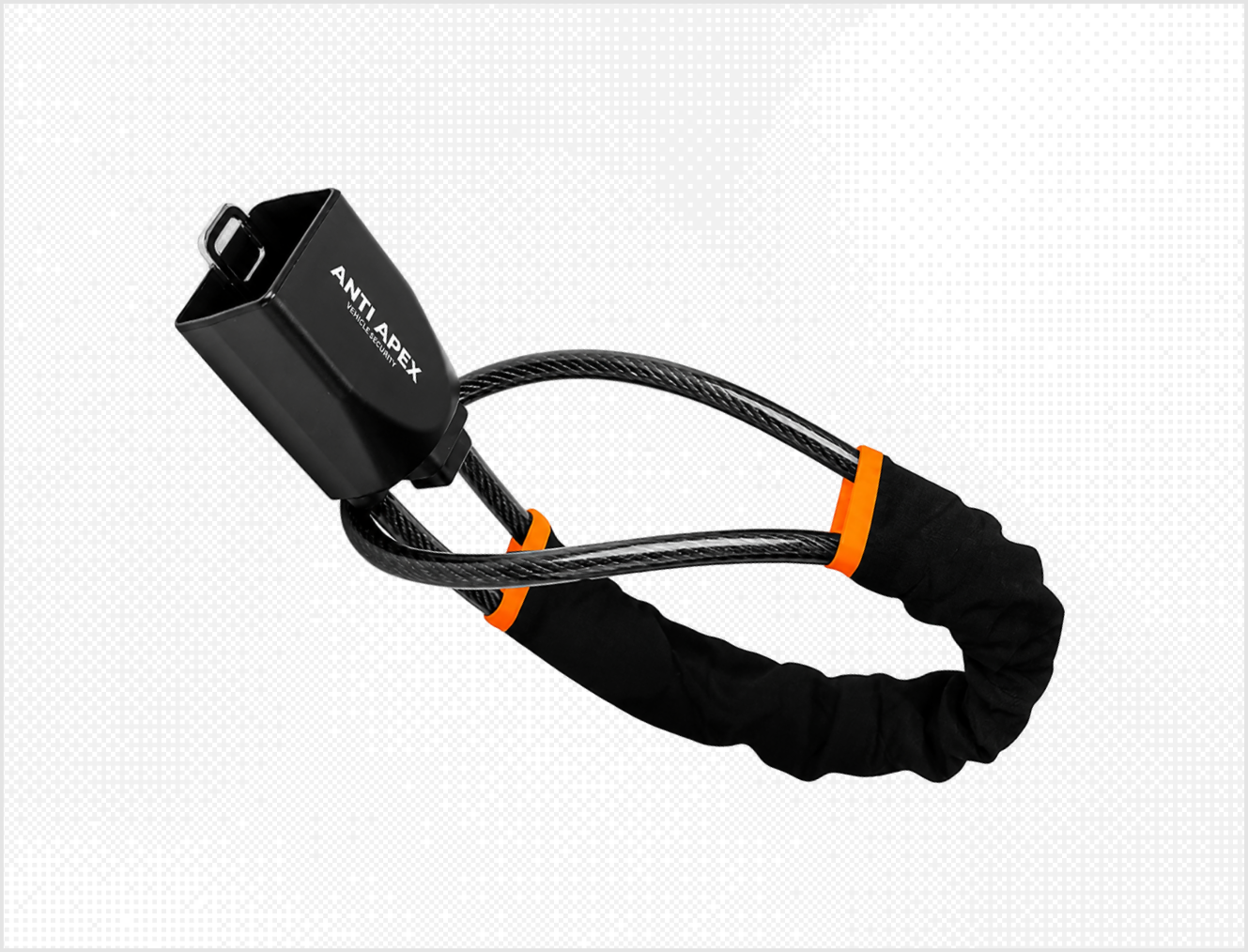
High-quality anti-theft devices create additional obstacles that increase the time and effort required to steal a vehicle.
This is where products such as the Driveway Defender from Anti Apex become valuable additions to an overall vehicle protection strategy.
Rather than relying on financial compensation after a crime, preventive security aims to reduce the likelihood that theft occurs at all.
Why Visible Security Matters
Criminals often evaluate risk before attempting theft.
Vehicles equipped with obvious security measures communicate that stealing them will require additional effort.
Every extra minute spent attempting a theft increases the likelihood of being noticed by homeowners, pedestrians, security cameras, or law enforcement.
Because of this, visible deterrents remain one of the most effective first lines of defense.
Protection Begins at Home
Many people assume vehicle theft mainly occurs in public parking lots.
However, residential driveways are frequent targets because vehicles often remain unattended for long periods overnight.
Improving driveway security can significantly reduce risk.
Simple habits include:
- Parking in well-lit areas
- Locking doors consistently
- Removing visible valuables
- Activating vehicle alarms
- Using physical anti-theft devices
- Installing exterior lighting or cameras
Combining these practices with dedicated security equipment creates multiple barriers that discourage opportunistic thieves.
Layer Two: Vehicle Tracking Improves Recovery Chances
Even with excellent preventive measures, no security strategy can eliminate every risk.
This is why the second layer focuses on recovery.
If a vehicle is stolen despite preventive efforts, rapid location tracking becomes extremely valuable.
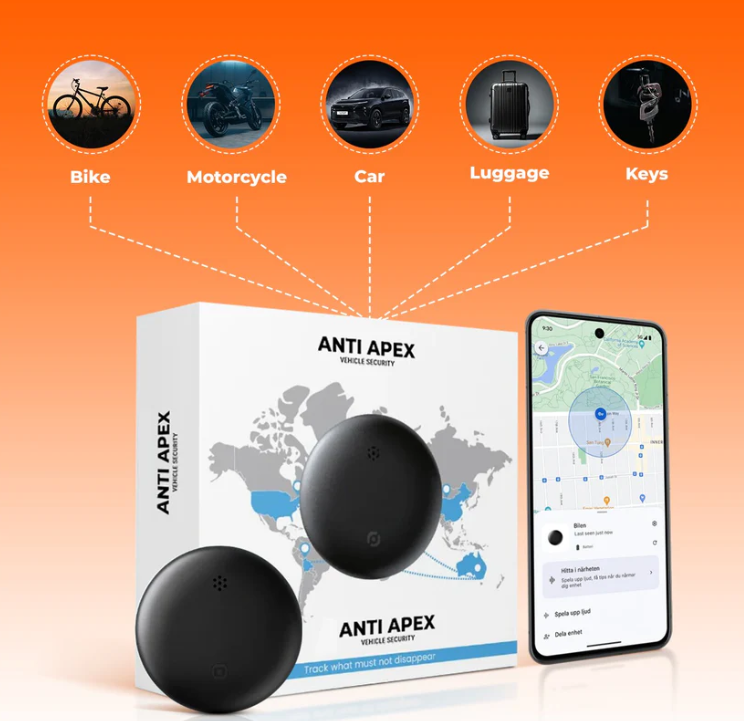
Vehicle tracking technology increases the likelihood of recovering stolen vehicles before permanent loss occurs.
Instead of relying solely on police investigations or eyewitness reports, modern tracking systems provide location information that can support recovery efforts.
Solutions such as Ghost Track from Anti Apex naturally complement theft prevention devices by extending protection beyond the initial crime.
Rather than replacing preventive measures, tracking technology works alongside them to create a stronger overall security system.
Faster Recovery Can Reduce Financial Losses
The sooner a stolen vehicle is located, the lower the likelihood of extensive damage, stripped parts, or permanent disappearance.
Rapid recovery may help minimize:
- Repair costs
- Vehicle replacement expenses
- Business interruptions
- Lost work time
- Travel disruptions
- Emotional stress
This added layer of protection fills an important gap that insurance alone cannot address.
Insurance may compensate for losses after an investigation, but locating the vehicle quickly can reduce or even prevent those losses altogether.
Why Multiple Layers Work Better Together
Every security measure has strengths and limitations.
Physical deterrents help discourage theft but cannot record road incidents.
Tracking systems improve recovery but do not prevent accidents.
Insurance provides financial assistance but cannot stop crimes or supply video evidence.
When these solutions work together, each fills the gaps left by the others.
Instead of depending on a single safeguard, vehicle owners benefit from a comprehensive strategy that addresses prevention, recovery, and documentation.
This layered approach creates stronger overall protection while reducing the chances of facing significant financial and personal disruption.
Layer Three: Recording Every Journey with Video Evidence
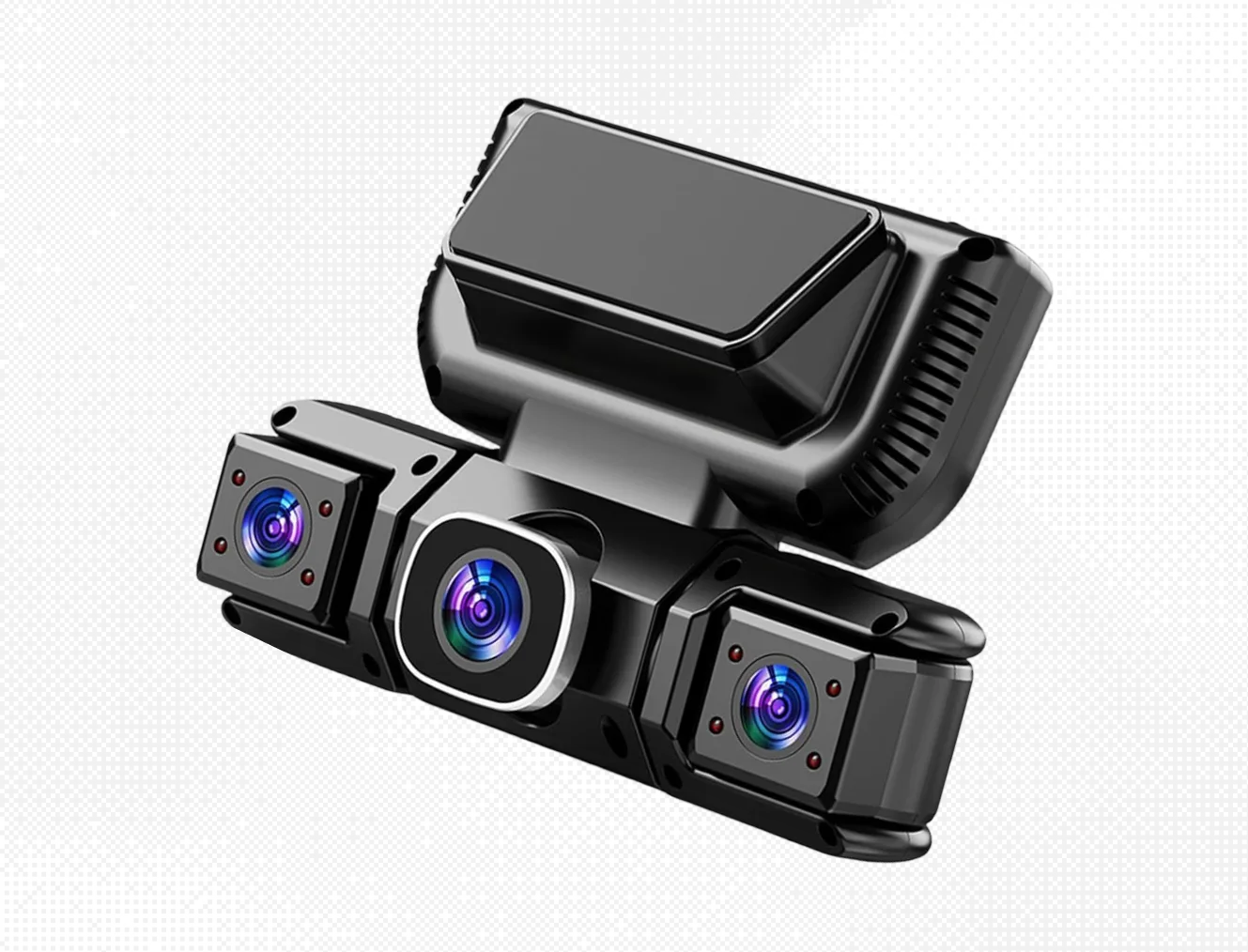
The third layer of vehicle security focuses on documenting every trip. While theft prevention and tracking help protect a vehicle before and after a theft, video evidence provides valuable documentation during everyday driving.
Road incidents can happen unexpectedly. A distracted driver, an uninsured motorist, or even severe weather can lead to accidents that require clear evidence to determine what happened. Without reliable footage, resolving disputes may depend solely on witness statements or conflicting accounts.
Adding a high-quality dash camera to a layered security strategy helps capture events as they unfold. The Road Guardian 360° from Anti Apex complements theft prevention and tracking by providing continuous recording that can support insurance claims, law enforcement investigations, and personal recordkeeping.
Why Video Evidence Matters
Video recordings offer objective documentation that can be useful in a variety of situations, including:
- Multi-vehicle collisions
- Hit-and-run accidents
- Parking lot damage
- Vandalism
- Road rage incidents
- Insurance fraud
- False liability claims
Having clear footage can simplify investigations and reduce uncertainty when determining fault.
Supporting Insurance Claims
Although insurance remains an important financial safeguard, claim outcomes often depend on the quality of available evidence.
Dash camera footage may help:
- Verify the sequence of events
- Confirm traffic signal conditions
- Identify other vehicles involved
- Record license plate numbers
- Support police reports
- Reduce disputes during claim reviews
Rather than relying on memory or conflicting statements, drivers can provide recorded evidence that strengthens their case.
How Layered Vehicle Security Works Together
Each security layer addresses a different stage of vehicle protection.
The first layer discourages criminals from attempting theft.
The second layer helps locate the vehicle if theft occurs.
The third layer records driving events and provides evidence when incidents happen.
Together, these measures create a comprehensive security strategy that offers benefits well beyond insurance coverage alone.
Instead of reacting only after something goes wrong, layered protection reduces risk throughout the vehicle ownership experience.
Additional Ways to Strengthen Vehicle Security
Technology is most effective when paired with smart everyday habits. Drivers can further improve vehicle protection by following a few practical guidelines.
Park Strategically
Whenever possible, choose well-lit parking areas with regular pedestrian traffic. Secure parking garages and monitored lots offer additional protection compared to isolated locations.
Keep Valuables Out of Sight
Visible electronics, handbags, tools, or shopping bags can attract unwanted attention. Removing or concealing valuables reduces temptation for opportunistic thieves.
Lock Doors and Close Windows
Even brief stops provide opportunities for theft if a vehicle is left unlocked or windows remain partially open.
Stay Current with Software Updates
Many modern vehicles receive software updates that improve security and address known vulnerabilities. Keeping systems updated helps maintain manufacturer-recommended protection.
Perform Routine Equipment Checks
Security devices should be inspected regularly to ensure they remain fully operational. Drivers should periodically verify that tracking systems, recording equipment, and anti-theft devices are functioning correctly.
Who Benefits Most from Layered Vehicle Security?
Layered protection is valuable for nearly every vehicle owner, but certain drivers may benefit even more.
Daily Commuters
Vehicles that spend significant time parked at workplaces, transit stations, or public parking facilities face increased exposure to theft and vandalism.
Families
Parents often transport children, school supplies, sports equipment, and personal belongings. Protecting both the vehicle and its contents adds another level of reassurance.
Business Owners
Vehicles used for work frequently carry valuable tools, equipment, inventory, or business documents. Preventing theft and improving recovery can reduce costly interruptions.
Frequent Travelers
Drivers who regularly park at airports, hotels, or unfamiliar locations may appreciate the added confidence that comes from multiple layers of security.
Owners of High-Value Vehicles
Luxury vehicles and newer models often attract greater attention from organized theft groups. A proactive security strategy helps reduce potential risks.
Building a Complete Vehicle Security Plan
Creating a comprehensive protection strategy does not require relying on a single solution. Instead, vehicle owners can combine complementary measures that address different risks.
A well-rounded security plan may include:
- Visible anti-theft protection
- Reliable vehicle tracking
- Continuous dash camera recording
- Secure parking practices
- Routine maintenance of security equipment
- Appropriate insurance coverage
Anti Apex offers products that naturally support several of these essential layers, making it easier to create a security system tailored to everyday driving.
Rather than viewing theft prevention, tracking, and recording as separate investments, they can be considered parts of one coordinated approach to vehicle protection.
Frequently Asked Questions
Is insurance still necessary if a vehicle has layered security?
Yes. Insurance provides important financial protection that complements physical security measures. Layered security reduces risks before incidents occur, while insurance helps manage eligible financial losses afterward.
Can a dash camera prevent accidents?
No. A dash camera cannot prevent collisions, but it can provide valuable evidence that helps clarify what happened during an incident.
Why is vehicle tracking important if theft prevention is already in place?
No preventive measure can eliminate every risk. Tracking technology provides an additional layer of protection by improving the chances of recovering a stolen vehicle.
Does layered vehicle security replace responsible driving?
No. Safe driving habits remain one of the most effective ways to reduce accidents. Layered security is designed to support responsible vehicle ownership, not replace it.
Is layered security suitable for older vehicles?
Yes. Vehicles of nearly every age can benefit from additional theft deterrence, tracking capabilities, and video recording. The right combination depends on individual needs and driving habits.
Conclusion
Vehicle security has evolved beyond relying solely on insurance policies. While insurance remains an essential safeguard against financial loss, it cannot prevent theft, recover a stolen vehicle, or provide video evidence during road incidents.
A layered vehicle security strategy addresses these limitations by combining prevention, recovery, and documentation into one comprehensive approach. Visible theft deterrents help discourage criminals before they act. Vehicle tracking improves recovery opportunities if theft occurs. Dash cameras capture valuable evidence that can simplify insurance claims and accident investigations.
Together, these layers provide broader protection than any single solution alone.
For drivers looking to strengthen their overall security strategy, Anti Apex offers practical solutions that support every stage of vehicle protection. Products such as the Driveway Defender, Ghost Track, and Road Guardian 360° work together to help create a proactive security system that protects vehicles at home, on the road, and everywhere in between.
Rather than waiting for insurance to respond after an incident, investing in layered vehicle security helps reduce risks before they become costly problems, offering greater confidence with every journey.