The Identity Era: Why Personal Style Matters More Than Ever in 2026

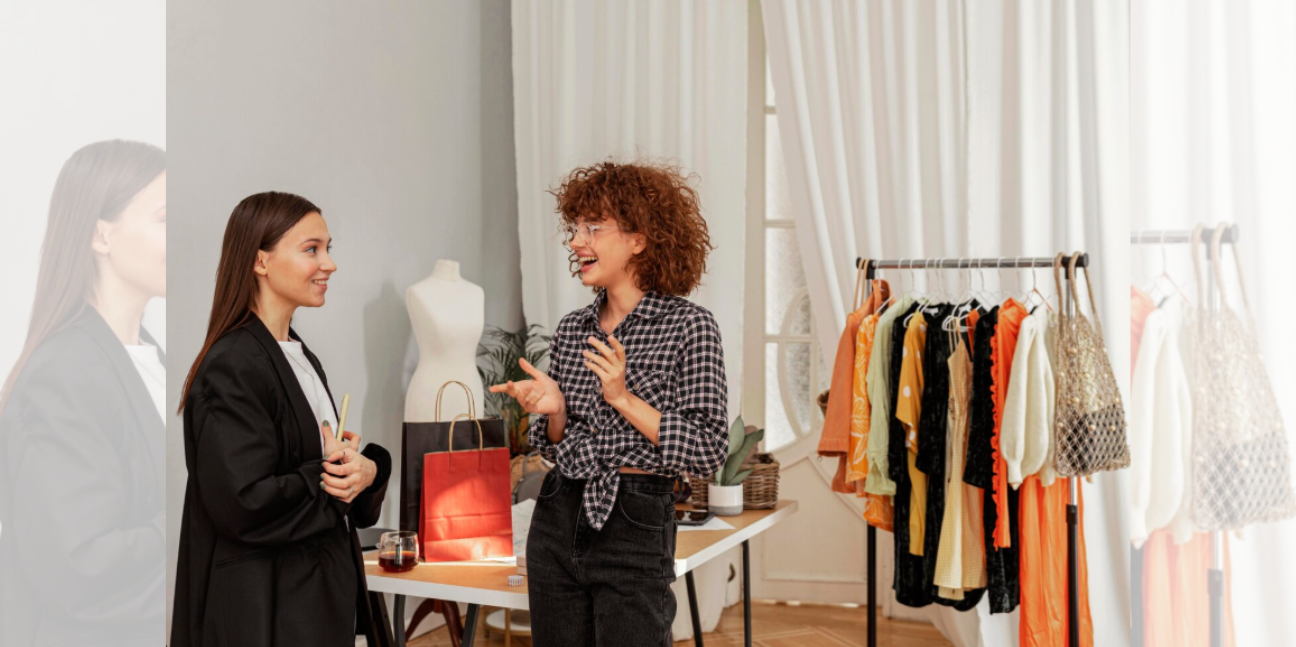
In 2026, something different is happening. Instead of chasing trends, people are asking deeper questions about identity. What represents you? What feels natural on your body? What pieces tell your story rather than someone else’s? This shift marks what many call the Identity Era. It reflects a growing rejection of algorithm driven fashion where everyone ends up wearing the same look suggested by the same feed.
The Death of the Trend Cycle
For years, fashion followed a simple rhythm. Trends appeared on runways, spread across social media, and quickly filled stores. People bought what was “in” and replaced it again the next season. That cycle is fading.
In 2026, something different is happening. Instead of chasing trends, people are asking deeper questions about identity. What represents you? What feels natural on your body? What pieces tell your story rather than someone else’s? This shift marks what many call the Identity Era. It reflects a growing rejection of algorithm driven fashion where everyone ends up wearing the same look suggested by the same feed.
You are moving toward individuality. Toward intention. Toward clothing that reflects your personality rather than temporary popularity. This mindset changes how you approach style. Finding your personal style 2026 becomes less about copying trends and more about understanding yourself. The result is a wardrobe that feels authentic rather than reactive.
The Psychology of “Enclothed Cognition”
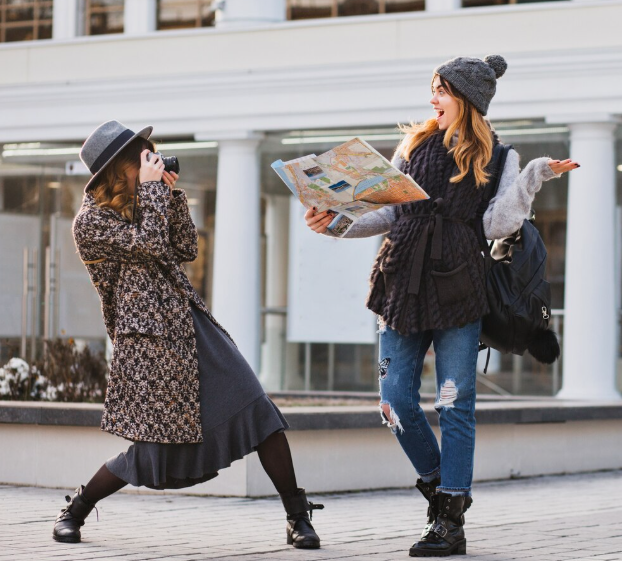
What you wear affects how you think. Researchers often describe this idea as enclothed cognition. The clothes you choose influence your mood, confidence, and even how you approach challenges. When you dress in ways that reflect your identity, your mind responds differently. You feel more focused. More comfortable in conversations. More aligned with your own values.
This connection forms the Psychology of personal style. Clothing becomes more than appearance. It becomes a tool for shaping mindset. Many people spent years dressing for the grid. They chose outfits designed to perform well in photos or trends rather than real life. In the Identity Era, that pressure is fading.
You dress for how you want to feel throughout the day, not just how an outfit looks on a screen. This shift strengthens Self-expression through fashion 2026 because your wardrobe reflects your personality instead of social approval. When clothing aligns with who you are, confidence becomes easier to sustain.
Curating a Signature Silhouette
Trends once encouraged people to adopt entire aesthetics. Cottage core. Barbie core. Minimal core. Each label suggested a complete visual identity. Now the focus moves toward individuality.
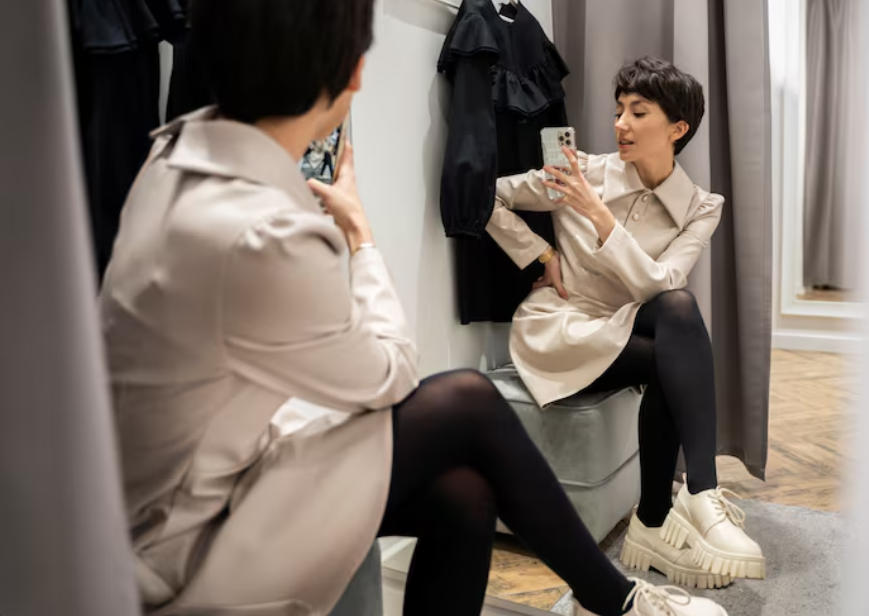
A signature silhouette means understanding which shapes work best for your body and your lifestyle. It may include structured blazers, relaxed trousers, or flowing skirts that create a consistent visual rhythm. Instead of changing your entire wardrobe each season, you refine these shapes over time.
This approach is essential for Building a signature wardrobe. When your closet follows a recognizable structure, getting dressed becomes simpler. Your style appears cohesive even when outfits vary. Signature silhouettes also strengthen Authentic fashion vs. trend following. Trends might introduce new colors or details, but your core structure remains consistent.
Your clothing begins to look like an extension of your personality rather than a reaction to social media cycles.

Sustainability as a Personality Trait
In the past, sustainability was often framed as a marketing concept. Brands labeled collections as eco-friendly while continuing rapid production cycles.
In 2026, sustainability becomes more personal.
Your identity increasingly connects to how you consume fashion. Keeping a coat for ten years signals thoughtfulness. Repairing garments reflects respect for materials. Choosing fewer items shows discipline. This mindset forms what many describe as an ethical fashion identity.
A wardrobe that evolves slowly tells a deeper story. Each piece gains meaning through repeated wear.
This perspective also supports the growing Anti-trend fashion movement. When you invest in long lasting pieces, short lived trends lose their appeal. Instead of replacing clothing constantly, you refine and maintain what you already own. The result is a wardrobe that grows with you rather than chasing the market.
The Analog Revival in a Digital World
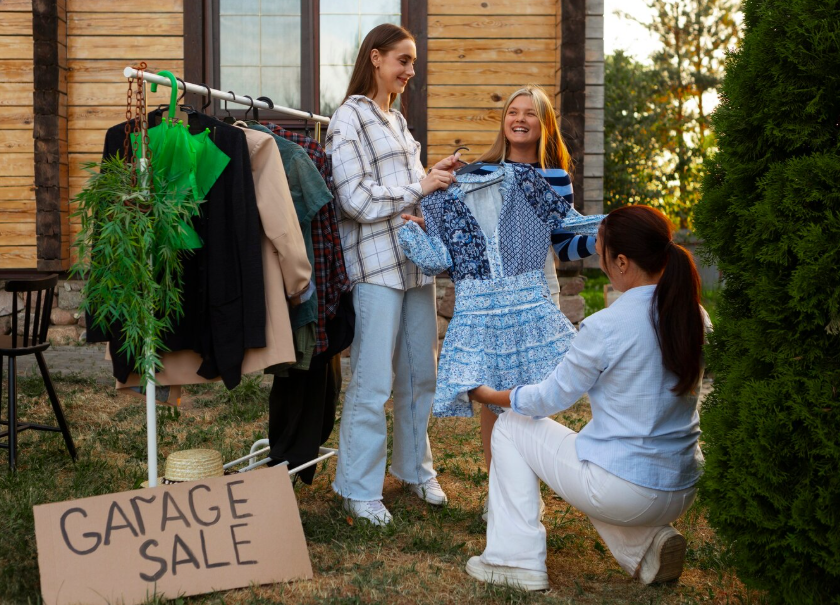
Fashion is increasingly shaped by algorithms. Online platforms recommend similar styles to millions of users. As a result, many wardrobes begin to look the same. This is why vintage and handmade pieces are returning to the spotlight. Analog fashion introduces unpredictability. Thrifted garments, handcrafted accessories, and altered vintage items carry unique histories. They break away from mass produced uniformity.
In a world where AI generated aesthetics flood social media, individuality becomes rare. Owning something that cannot be replicated instantly gives your style depth. Vintage jackets, hand knit sweaters, and locally crafted jewelry create layers of identity that fast fashion cannot replicate. This analog revival strengthens Self-expression through fashion 2026 because each piece reflects personal discovery rather than digital recommendation.
Style as Identity
Fashion in 2026 is not about keeping up with trends. It is about understanding who you are and allowing your wardrobe to reflect that identity. The Identity Era values individuality over uniformity. Instead of copying aesthetics, you build a style language that evolves with your life.
Through Finding your personal style 2026, curating consistent silhouettes, and embracing long lasting pieces, your wardrobe becomes more than a collection of clothing. It becomes a reflection of your experiences, values, and personality. In this new landscape, authenticity stands out more than ever.
Your clothes no longer need to follow trends. They only need to tell your story. Explore why personal style matters more than ever in 2026 and how authentic fashion replaces fast moving trends.