Smarter Travel in 2026: Budget Adventures, Luxury Escapes & the Rise of Flexible Exploration

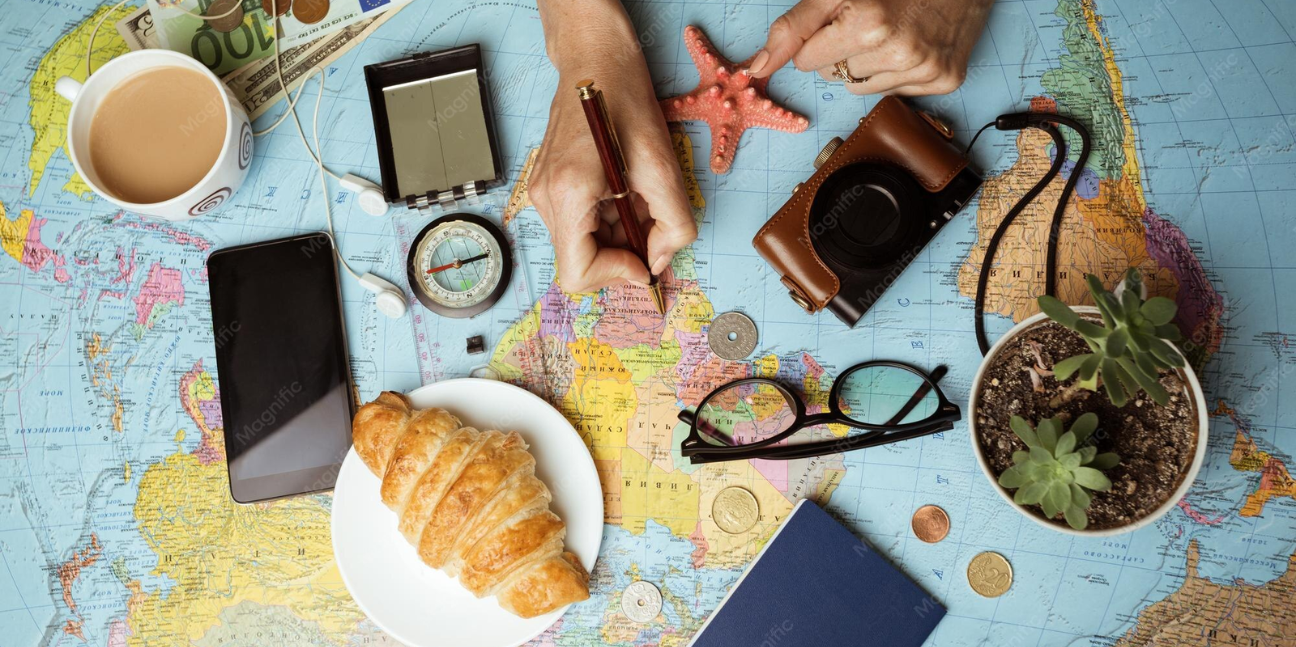
Travel culture has changed dramatically over the last decade as more people seek flexibility, personal freedom, and meaningful experiences instead of rigid vacation schedules or traditional tourist routines.
Travel culture has changed dramatically over the last decade as more people seek flexibility, personal freedom, and meaningful experiences instead of rigid vacation schedules or traditional tourist routines. Modern travelers are increasingly focused on experiences that align with their lifestyles, wellness goals, budgets, and long-term aspirations rather than simply visiting crowded attractions or following predictable itineraries.
Technology, remote work opportunities, and global digital communities have transformed how people explore the world. Travelers can now discover destinations through social media, work remotely from international cities, book entire trips through smartphones, and connect with global communities while traveling across continents. This accessibility has made travel feel more integrated into everyday life instead of something reserved only for occasional holidays.
At the same time, modern travelers are becoming more intentional. They care about sustainability, local experiences, flexible budgeting, smarter planning, and healthier work-life balance while traveling. Whether someone is searching for budget travel tips, luxury travel destinations, family vacation ideas, or digital nomad travel inspiration, the focus increasingly revolves around creating more personalized and fulfilling experiences.
In this guide, we will explore the biggest modern travel trends shaping global exploration today, including solo female travel, cheap flights guide strategies, travel packing tips, sustainable tourism, best travel apps, and the growing popularity of flexible lifestyle-based travel.
Budget Travel Tips: Exploring More Without Overspending
One of the biggest misconceptions about travel is that meaningful experiences always require enormous budgets. In reality, many modern travelers now prioritize flexibility, local immersion, and strategic planning over expensive luxury packages or heavily commercialized tourism. Budget travel tips have therefore become increasingly valuable for students, younger travelers, remote workers, and anyone seeking more freedom through affordable exploration.
One of the most effective ways to reduce travel expenses is flexibility with timing and destinations. Travelers willing to fly during off-season periods, avoid major tourist holidays, or explore emerging destinations instead of heavily commercialized cities often save significant amounts of money on flights, hotels, and activities. This flexibility also creates more authentic experiences because destinations tend to feel less crowded and more connected to local culture.
Another important factor is spending intentionally instead of simply spending less. Budget-conscious travelers increasingly prioritize local food, public transportation, boutique stays, hostels, and experience-driven exploration rather than luxury shopping or expensive tourist attractions. Many modern travelers now value meaningful experiences more than status-driven tourism.
Technology has also made affordable travel significantly easier through price alerts, flight-comparison platforms, accommodation apps, and travel rewards systems that help optimize planning more efficiently than ever before.
Solo Female Travel: Independence, Safety & Personal Growth
Solo female travel has become one of the fastest-growing movements within modern tourism as more women prioritize independence, self-discovery, flexibility, and confidence-building experiences through travel. Digital communities, travel content creators, and safer tourism infrastructure have helped make solo exploration feel more accessible and empowering than in previous generations.
One of the strongest aspects of solo female travel is personal freedom. Traveling alone allows individuals to build their own schedules, follow personal interests, and experience destinations without constantly adjusting to group preferences. Many solo travelers describe these experiences as transformative because they strengthen adaptability, confidence, and emotional resilience.
At the same time, preparation and safety remain essential. Modern solo travelers increasingly prioritize destination research, connected travel communities, secure accommodations, location-sharing tools, and emergency planning systems to improve confidence while abroad. Travel apps and global online communities have also made it easier for solo travelers to access recommendations, safety updates, and local support.
Another important trend is the rise of women-focused travel groups and guided experiences that combine independence with community support. This has helped many first-time solo travelers feel more comfortable exploring unfamiliar destinations.
Cheap Flights Guide: Smarter Booking Strategies for Modern Travelers
Airfare costs remain one of the biggest barriers preventing many people from traveling more frequently. However, smarter planning strategies and modern booking technology have made it significantly easier to reduce flight expenses compared to older travel models.
One of the most effective cheap flights guide strategies is maintaining flexibility around departure dates, airports, and travel windows. Midweek flights, red-eye departures, nearby regional airports, and off-season booking periods often create major pricing differences. Travelers who monitor trends patiently instead of booking impulsively usually gain access to significantly better deals.
Another important factor is digital optimization. Many travelers now combine multiple booking platforms, price-alert systems, reward programs, and comparison tools simultaneously to identify better routes and hidden pricing opportunities. Technology-driven planning has become one of the most valuable skills within modern travel.
Long-term travelers and digital nomads also increasingly prefer slower and more flexible movement patterns rather than rigid round-trip itineraries. This flexibility often creates lower transportation costs while allowing more spontaneous and immersive travel experiences overall.
Digital Nomad Travel: Working While Exploring the World
Remote work has completely transformed modern travel culture by allowing people to combine professional careers with long-term exploration. Digital nomad travel has become increasingly popular among freelancers, entrepreneurs, creatives, remote employees, and online business owners seeking more flexible and location-independent lifestyles.
One of the strongest aspects of digital nomad culture is lifestyle freedom. Instead of waiting for limited vacation periods, remote workers can integrate travel directly into their everyday routines while continuing to earn income online. This has created growing demand for destinations with strong internet infrastructure, affordable living costs, coworking spaces, and lifestyle-friendly environments.
Another important factor is slower and more intentional travel. Many digital nomads now spend weeks or months in destinations instead of rushing through short tourist itineraries. This allows deeper cultural immersion, healthier routines, stronger productivity, and more balanced lifestyles while traveling.
Digital nomad travel has also influenced global tourism industries themselves. Many countries increasingly create remote-work visas, coworking ecosystems, and long-stay programs designed specifically around location-independent professionals.
Best Travel Apps & Sustainable Travel Trends
Technology now plays a central role in modern exploration because smartphones function as navigation systems, translation tools, booking managers, itinerary planners, budgeting systems, and safety resources simultaneously. Best travel apps help travelers organize nearly every stage of the travel experience more efficiently.
Modern travelers increasingly rely on mobile apps for real-time navigation, accommodation management, local transportation, language translation, flight updates, remote work coordination, and emergency support. Digital ecosystems have therefore become deeply integrated into how people move through unfamiliar destinations.
At the same time, sustainable travel has become one of the most important conversations shaping the future of global tourism. Travelers are increasingly aware of environmental impact, overtourism, cultural preservation, and the long-term sustainability of popular destinations.
Sustainable tourism increasingly focuses on slower travel, eco-conscious accommodations, local businesses, lower-impact transportation, and more intentional travel habits that support communities while reducing environmental strain.
Conclusion: The Future of Travel Is Flexible, Intentional & Experience-Driven
Modern travel is increasingly defined by flexibility, personalization, and lifestyle integration rather than rigid tourism models or status-driven vacations. Travelers today prioritize experiences that align with their wellness goals, financial realities, personal freedom, and long-term aspirations.
From budget travel tips and cheap flight strategies to digital nomad travel, sustainable tourism, solo female travel, and luxury escapes, modern exploration has become more accessible and diverse than ever before. Technology, remote work culture, and evolving social priorities continue reshaping how people experience the world.
Whether someone is planning weekend getaways, searching for family vacation ideas, exploring luxury travel destinations, or building a location-independent lifestyle abroad, the future of travel increasingly revolves around smarter planning, deeper experiences, and greater personal freedom.
Call to Action
If you are planning your next adventure, focus on flexible travel habits, intentional experiences, and smarter planning strategies that support both exploration and long-term lifestyle balance.