Premium Japanese Chef Knife Review: Comparing Three Masterpieces from HOCHO Knife

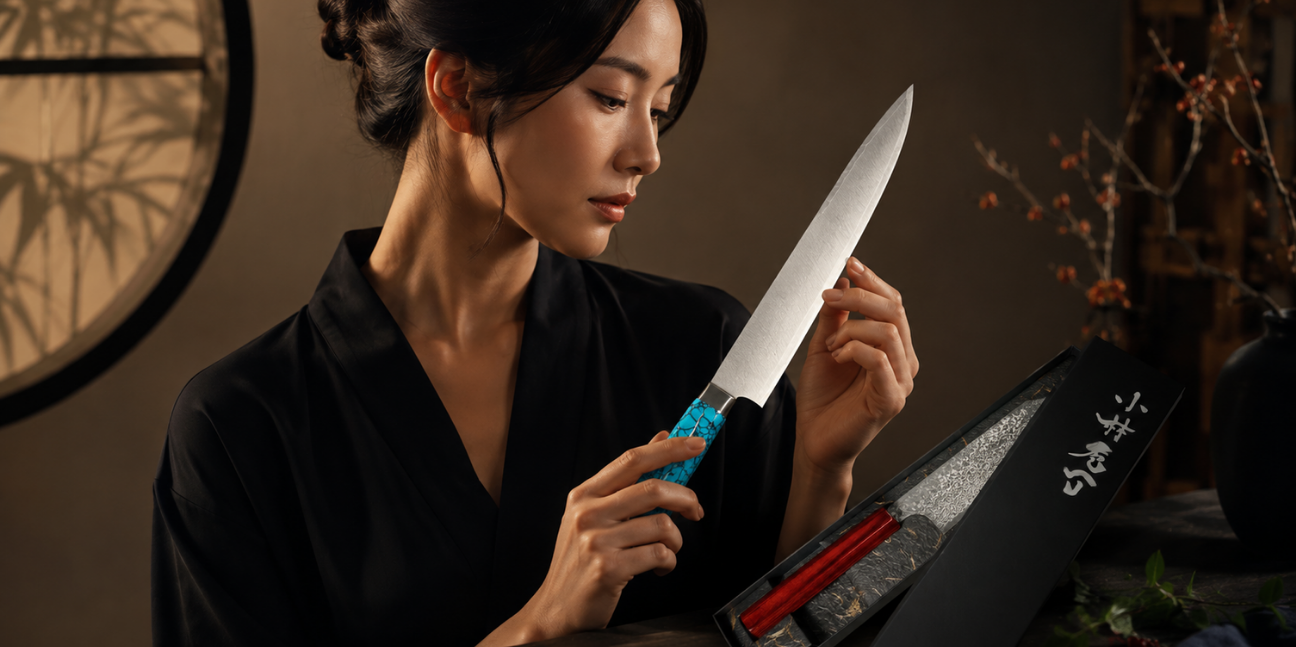
A Japanese kitchen knife is more than just a cutting tool as it is the result of generations of craftsmanship, metallurgy, and artistic dedication. For professional chefs, culinary enthusiasts, and collectors alike, choosing a handcrafted Japanese knife is often about finding the perfect balance between cutting performance, aesthetics, steel characteristics, and craftsmanship.
A Japanese kitchen knife is more than just a cutting tool as it is the result of generations of craftsmanship, metallurgy, and artistic dedication. For professional chefs, culinary enthusiasts, and collectors alike, choosing a handcrafted Japanese knife is often about finding the perfect balance between cutting performance, aesthetics, steel characteristics, and craftsmanship.
HOCHO Knife offers some of Japan's finest handmade blades, including exceptional creations from renowned blacksmiths such as Yu Kurosaki, Kei Kobayashi, and Satoshi Nakagawa. While all three knives represent the pinnacle of Japanese craftsmanship, each serves a different purpose and appeals to a different type of user.
This guide compares three extraordinary models: the Yu Kurosaki HAP40 Sujihiki 270mm, the Kei Kobayashi R2 Black Damascus Bunka 170mm, and the Satoshi Nakagawa White #2 Honyaki Gyuto 240mm, helping you understand what makes each one unique. By examining their materials, construction methods, and intended uses, you can make a more informed decision when investing in a premium Japanese knife that suits your cooking style and long-term needs.
Why Japanese Handcrafted Knives Are Different
Japanese knives have earned worldwide recognition because of their exceptional sharpness, harder blade steels, thinner edge geometry, and meticulous hand-finishing. Rather than prioritizing mass production, master blacksmiths often spend years refining forging, heat treatment, grinding, and sharpening techniques that maximize cutting performance.
The three knives featured here represent different philosophies of Japanese knife making. One approach focuses on powder metallurgy to achieve extreme edge retention, another emphasizes Damascus artistry combined with exceptional precision, and the third showcases traditional Honyaki forging, which represents the highest level of craftsmanship.
Although each belongs to the premium category, they excel in different environments—from professional restaurant kitchens to serious home collections. Understanding these differences helps ensure that your investment aligns with your expectations for performance, maintenance, and visual appeal.
Yu Kurosaki HAP40 Sujihiki 270mm: Built for Ultimate Edge Retention
The Yu Kurosaki HAP40 Sujihiki 270mm represents modern Japanese metallurgy at its finest. Produced within Yu Kurosaki's workshop and crafted by blacksmith Daishi Mukamura, this knife features a HAP40 powdered high-speed steel core clad with stainless steel. HAP40 is known for extremely high hardness, exceptional wear resistance, and remarkably long edge retention, making it a favorite among professionals who want fewer sharpening sessions.
This Sujihiki features a 270 mm slicing blade paired with a HAP40 powdered semi-stainless steel core and stainless cladding. It reaches an approximate hardness of 63–65 HRC and is finished with a double-bevel edge. The knife is completed with a striking blue turquoise resin handle and a polished stainless bolster, and it is entirely handcrafted in Japan.
A Sujihiki is specifically designed for long, clean slicing motions. Whether carving brisket, portioning fish, slicing roasts, or preparing sashimi, the extended blade minimizes sawing motions while producing exceptionally smooth cuts.
The turquoise custom handle also distinguishes this model visually, making it equally attractive as a collector's piece.

Buy Now
Choose the Yu Kurosaki if your priority is extreme edge retention, modern steel technology, and precision slicing.
Kei Kobayashi R2 Black Damascus Bunka 170mm: Precision Meets Elegant Design
Kei Kobayashi has become internationally recognized for combining razor-sharp performance with exceptionally refined finishing. His knives are admired for both their cutting ability and artistic presentation.
The Kei Kobayashi R2 Black Damascus Bunka 170mm features a 63-layer black-finished Damascus blade built around an SG2 (R2) powdered stainless steel core. This steel provides excellent corrosion resistance while maintaining outstanding edge retention and ease of maintenance compared with traditional carbon steels.
The Bunka profile is one of the most versatile Japanese knife shapes. Its pointed "reverse tanto" tip provides greater precision for detail work while the flat edge excels at vegetable preparation, meat trimming, and general kitchen tasks.
This knife incorporates SG2 (R2) powdered stainless steel and a striking black Damascus finish, combined with a 170 mm Bunka profile. It is known for its exceptional factory sharpening and is fitted with a premium red lacquered wood handle. The overall construction is lightweight and well-balanced, making it comfortable for extended use. The combination of dramatic Damascus layering and polished finishing creates a knife that performs exceptionally while remaining visually striking. Choose the Kei Kobayashi if you want an everyday premium chef's knife that combines artistry, versatility, and effortless cutting performance.

Satoshi Nakagawa White #2 Honyaki Gyuto 240mm: The Pinnacle of Traditional Japanese Craftsmanship
Few knife-making techniques command as much respect as Honyaki forging. Unlike laminated blades, Honyaki knives are forged from a single piece of high-carbon steel and require extremely precise heat treatment. The process is considerably more difficult, resulting in limited production and making Honyaki knives highly sought after by professional chefs and collectors alike.
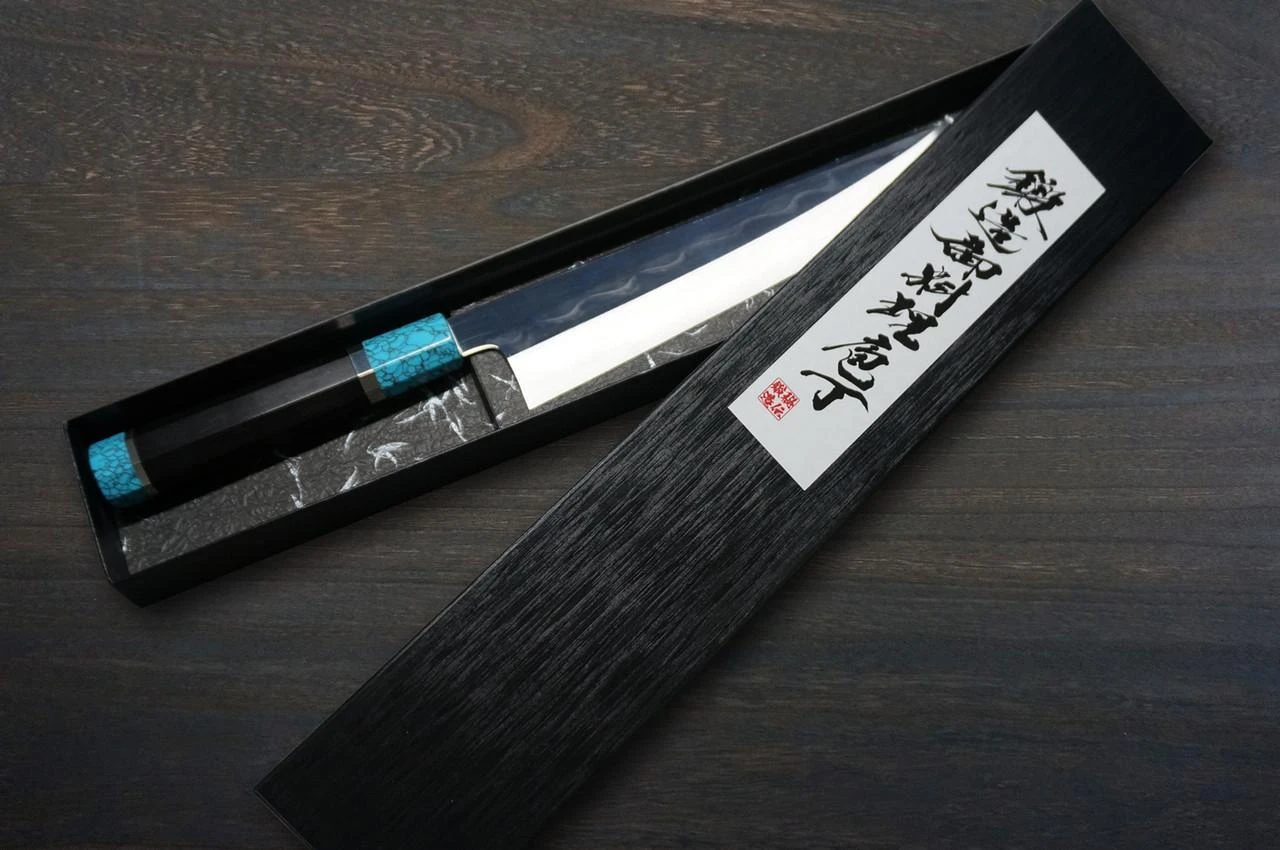
The Satoshi Nakagawa White #2 Honyaki Gyuto 240mm exemplifies this tradition. Forged from White #2 carbon steel, it is paired with a striking double blue turquoise and ebony handle that reflects the knife's luxury positioning.
Its specifications include a 240 mm Gyuto profile crafted from White #2 carbon steel using traditional Honyaki construction. The knife features a double-bevel edge and is finished with a double blue turquoise and ebony custom handle. Like the others, it is handmade in Japan.
White #2 steel is celebrated for taking an exceptionally fine edge and offering superb sharpening characteristics. However, unlike stainless or semi-stainless steels, it requires careful maintenance to prevent corrosion and develop a natural patina.
A Gyuto is often considered the Japanese equivalent of a Western chef's knife, capable of handling vegetables, proteins, herbs, and general preparation with remarkable versatility.
Buy Now
Choose the Satoshi Nakagawa if you appreciate traditional craftsmanship, enjoy maintaining carbon steel knives, and want a true collector-grade masterpiece.
Which Knife Should You Choose?
Each knife excels for a different type of user.
The Yu Kurosaki HAP40 Sujihiki is ideal for chefs who prioritize long-lasting sharpness and precision slicing. Its advanced powdered steel and modern materials make it particularly attractive for busy professionals.
The Kei Kobayashi R2 Bunka offers perhaps the best balance of beauty, practicality, and versatility. Its stainless powdered steel requires less maintenance while delivering exceptional everyday performance.
The Satoshi Nakagawa White #2 Honyaki Gyuto represents traditional Japanese craftsmanship at its highest level. It is best suited to experienced chefs and collectors who appreciate carbon steel performance and the artistry of Honyaki forging.
Ultimately, the best choice depends on how you cook, how much maintenance you're comfortable with, and whether you value modern steel technology or traditional craftsmanship.
Investing in a Lifetime Knife
Premium Japanese knives are designed to last for decades with proper care. Unlike disposable kitchen tools, they become long-term companions that often improve with maintenance, sharpening, and continued use.
Whether you're building a professional knife roll, upgrading your home kitchen, or adding to a serious collection, these three handcrafted knives represent some of the finest work available from modern Japanese artisans. Taking the time to learn proper care techniques, including sharpening and storage, will ensure your knife maintains peak performance for years to come.
Explore the Yu Kurosaki HAP40 Sujihiki for unmatched slicing performance, choose the Kei Kobayashi R2 Black Damascus Bunka for versatile everyday excellence, or invest in the Satoshi Nakagawa White #2 Honyaki Gyuto to own one of the highest expressions of traditional Japanese knifemaking. Whichever you select, you're investing not only in exceptional cutting performance but also in generations of craftsmanship, precision, and culinary heritage.