Modern Travel Guide: Budget Trips, Digital Nomad Living & Smarter Travel Experiences

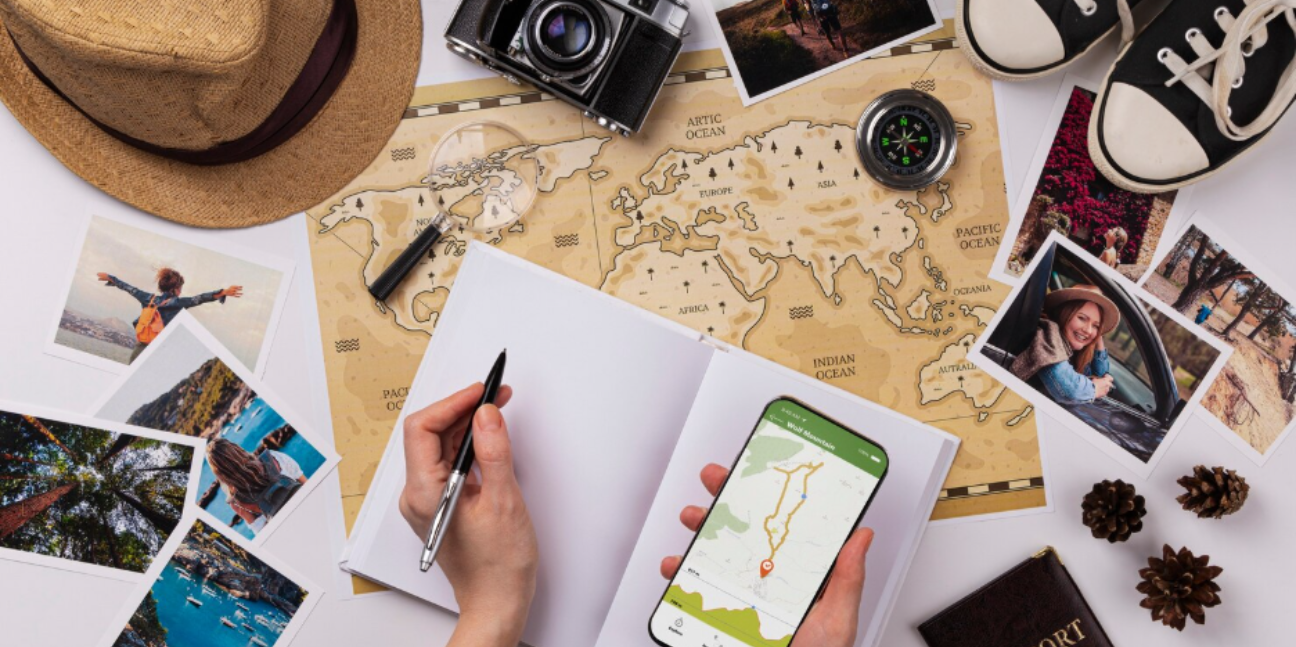
Travel has evolved dramatically over the last decade as people increasingly seek more flexible, meaningful, and personalized experiences instead of traditional tourist routines.
Travel has evolved dramatically over the last decade as people increasingly seek more flexible, meaningful, and personalized experiences instead of traditional tourist routines. Modern travelers are no longer focused only on expensive luxury vacations or rigid itinerary-based holidays. Today’s travel culture blends affordability, remote work flexibility, wellness, sustainability, and experience-driven exploration into a much broader lifestyle movement.
At the same time, technology has completely transformed the way people plan and experience trips. From finding cheaper flights and discovering hidden destinations to managing bookings through mobile apps and working remotely while traveling, modern travel has become significantly more accessible than it once was. Travelers now prioritize smarter planning, flexibility, and lifestyle integration over purely traditional vacation models.
This shift has fueled growing interest in budget-conscious exploration, digital nomad lifestyles, sustainable travel habits, solo adventures, and shorter but more intentional weekend getaways. Whether someone is planning luxury escapes, family vacations, or remote-work journeys across multiple countries, the focus increasingly revolves around balancing experience, convenience, affordability, and personal freedom.
Budget Travel Tips: Exploring More While Spending Less
One of the biggest misconceptions about travel is that meaningful experiences always require large budgets. Modern travel culture has proven that affordable travel is increasingly possible when travelers focus on smarter planning, flexible timing, and strategic spending rather than luxury pricing alone. Budget travel tips have therefore become one of the most searched travel topics among younger travelers, students, digital nomads, and experience-focused explorers.
One of the most effective ways to reduce travel costs is flexibility. Travelers willing to adjust departure dates, fly during off-peak seasons, or visit emerging destinations instead of heavily commercialized tourist hotspots often save substantial amounts of money. Flexible travel planning also creates access to cheaper accommodation options, quieter experiences, and more authentic local interaction.
Another important factor is smarter spending rather than simply spending less. Budget-conscious travelers increasingly prioritize experiences, local food, public transportation, and longer stays over luxury hotels or expensive tourist activities. This mindset has become especially popular among younger travelers who value cultural immersion and lifestyle
Solo Female Travel: Confidence, Freedom & Smarter Planning
Solo female travel has become one of the fastest-growing segments within modern travel culture as more women prioritize independence, self-discovery, flexibility, and personal exploration. Social media, remote work opportunities, and global travel communities have helped normalize solo travel experiences while making information and support systems more accessible.
One of the strongest aspects of solo female travel is personal empowerment. Many travelers describe solo experiences as confidence-building because they encourage independence, decision-making, adaptability, and deeper self-awareness. Traveling alone also allows greater flexibility around schedules, destinations, and experiences without constantly adjusting to group preferences.
At the same time, safety and planning remain extremely important. Solo female travelers increasingly prioritize destination research, safer accommodation locations, emergency planning, and connected travel tools that improve visibility and communication while abroad. Modern travel communities and digital resources have significantly improved access to safety recommendations, travel forums, and real-time guidance.
Cheap Flights Guide: Smarter Booking Strategies
Flight costs remain one of the biggest barriers preventing many people from traveling more frequently. However, modern booking technology and smarter planning strategies have made it significantly easier to reduce airfare costs compared to older travel models.
One of the most effective cheap flights guide strategies is booking flexibility. Midweek departures, red-eye flights, nearby airports, and off-season travel windows often produce substantial price differences. Travelers who monitor pricing patterns instead of booking emotionally at the last minute usually gain access to far better deals.
Another major factor is using technology effectively. Flight-comparison platforms, fare-alert systems, reward programs, and booking apps have become essential tools within modern travel planning. Many travelers now combine multiple platforms to monitor trends, compare routes, and identify hidden pricing opportunities before committing to tickets.
Long-term travel culture has also changed how people approach flights altogether. Digital nomads and flexible travelers often book one-way tickets, slower travel schedules, and regional flight routes rather than rigid return-trip itineraries. This flexibility creates greater access to affordable transportation while allowing more adaptable travel experiences overall.
Digital Nomad Travel: Working While Exploring the World
Remote work has completely transformed modern travel culture by creating opportunities for people to work while traveling across different cities and countries. Digital nomad travel has become increasingly popular among freelancers, entrepreneurs, remote employees, creatives, and online business owners seeking more flexible lifestyles.
One of the strongest aspects of digital nomad culture is lifestyle freedom. Instead of waiting for limited vacation windows, remote workers can integrate travel directly into their everyday lives while continuing to earn income online. This has created rising demand for destinations with reliable internet, affordable living costs, coworking spaces, and strong lifestyle infrastructure.
Another important factor is slower and more intentional travel. Many digital nomads now stay in destinations for several weeks or months rather than rushing through short tourist itineraries. This allows deeper cultural immersion, more stable routines, and better work-life balance while traveling.
Weekend Getaways & Family Vacation Ideas
Not all travel needs to involve long international journeys or extended remote-work lifestyles. Weekend getaways have become increasingly popular because many travelers now prioritize shorter but more frequent trips that feel easier to manage financially and logistically.
Weekend travel often works especially well for busy professionals, couples, and urban residents seeking quick escapes from routine environments. Short trips to beach towns, mountain retreats, countryside resorts, or nearby cities can provide meaningful mental refreshment without requiring complicated planning or long absences from work.
At the same time, family vacation ideas have evolved significantly as families increasingly prioritize experiences over material spending. Modern family travel often focuses on destinations that combine entertainment, relaxation, educational experiences, and convenience for multiple age groups simultaneously.
Sustainable Travel: The Future of Responsible Tourism
Sustainable travel has become one of the most important conversations within modern tourism as travelers become more aware of environmental impact, overtourism, and the long-term sustainability of global destinations. Many people now actively seek travel habits that reduce environmental damage while supporting local economies and preserving cultural authenticity.
One of the strongest aspects of sustainable travel is intentional decision-making. Travelers increasingly prioritize eco-conscious accommodation, slower transportation methods, local businesses, and lower-impact tourism activities rather than mass-tourism experiences that heavily strain destinations.
The rise of sustainability-focused travel reflects a broader cultural shift where travelers increasingly value authenticity, responsibility, and long-term global awareness alongside personal enjoyment and exploration.
Conclusion: Smarter, More Flexible & More Intentional Modern Travel
Modern travel is no longer defined only by luxury vacations or rigid tourist itineraries. Today’s travelers increasingly seek flexibility, affordability, personal growth, cultural immersion, and lifestyle integration through smarter and more intentional travel experiences.
From budget travel tips and cheap flight strategies to digital nomad travel, solo female travel, and sustainable tourism, modern exploration has become more accessible and diverse than ever before. Technology, remote work culture, and changing lifestyle priorities continue reshaping how people experience the world.
Whether someone is planning weekend getaways, searching for family vacation ideas, exploring luxury travel destinations, or building a remote-work lifestyle abroad, the future of travel increasingly revolves around freedom, adaptability, and meaningful experiences rather than traditional tourism alone.
Call to Action
If you are planning your next adventure, focus on smarter planning, flexible travel habits, and intentional experiences that align with your lifestyle, budget, and long-term travel goals.