How to Travel With Kids Without Stress

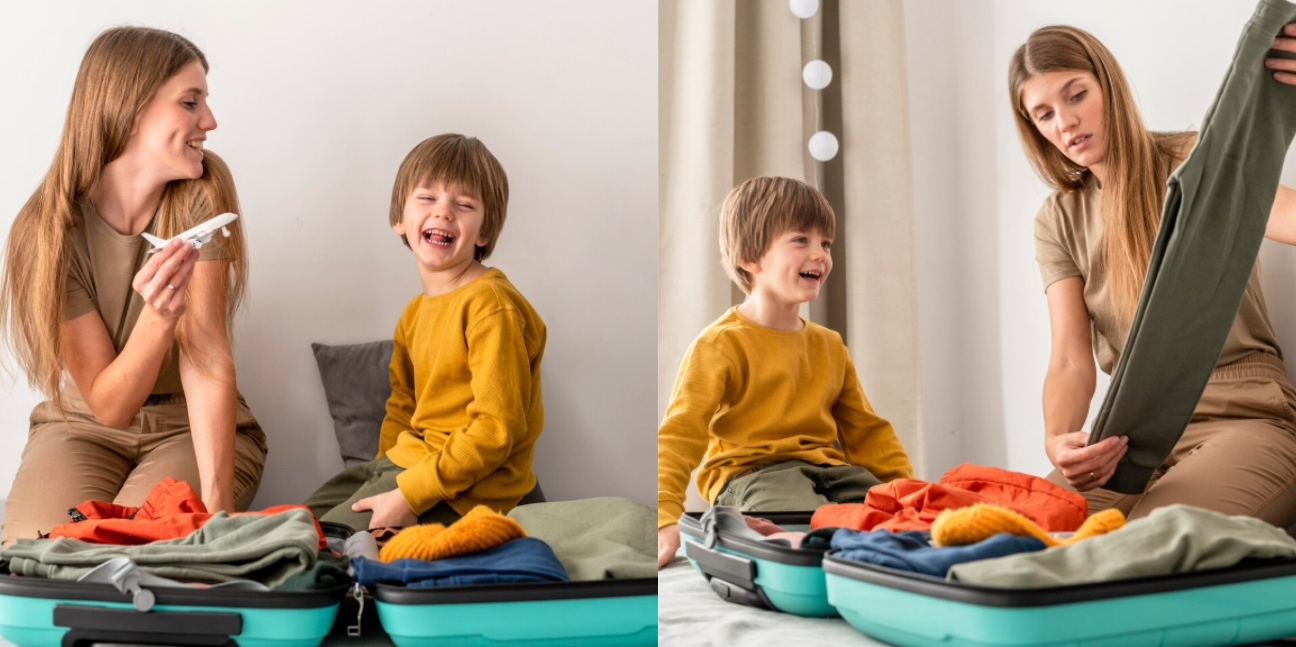
Traveling with children can be one of the most rewarding experiences a family shares. Exploring new places together creates lasting memories, strengthens family bonds, and exposes children to different cultures, environments, and experiences.
Traveling with children can be one of the most rewarding experiences a family shares. Exploring new places together creates lasting memories, strengthens family bonds, and exposes children to different cultures, environments, and experiences. However, anyone who has traveled with young children knows that family vacations can also come with unique challenges.
Long flights, road trip boredom, disrupted routines, unexpected meltdowns, forgotten essentials, and changing schedules can quickly turn an exciting adventure into a stressful experience. The good news is that family travel does not have to be chaotic. With proper preparation, realistic expectations, and a flexible mindset, parents can significantly reduce stress and focus on enjoying the journey.
The secret to stress-free travel with kids is not eliminating every challenge. Instead, it is planning ahead, staying adaptable, and creating an environment where both parents and children can enjoy the experience together.
This guide covers practical strategies to help families travel more smoothly and confidently, whether they are planning a weekend getaway, a road trip, or an international vacation.
Why Traveling With Kids Is Worth the Effort
Before discussing strategies and tips, it is important to remember why family travel matters.
Travel helps children:
- Learn about different cultures
- Develop confidence
- Improve adaptability
- Build curiosity
- Create lifelong memories
Parents also benefit from:
- Shared experiences
- Quality family time
- New perspectives
- Stronger family connections
While traveling with children requires more preparation, the rewards often far outweigh the challenges.
Start Planning Early
One of the biggest causes of travel stress is rushing through preparations.
The earlier you begin planning, the more time you have to:
- Compare transportation options
- Find family-friendly accommodations
- Research activities
- Organize travel documents
- Create a realistic itinerary
Planning early reduces last-minute surprises and allows families to make better decisions.
Choose Kid-Friendly Destinations
Not every destination is equally suitable for family travel.
Selecting locations that accommodate children can dramatically improve the experience.
Characteristics of Family-Friendly Destinations
Look for destinations that offer:
- Safe environments
- Family attractions
- Convenient transportation
- Child-friendly dining options
- Accessible healthcare services
Destinations designed with families in mind often reduce stress for parents.
Match the Destination to Your Children's Ages
The ideal destination for toddlers may differ significantly from one that appeals to teenagers.
Traveling With Toddlers
You may prioritize:
- Short travel times
- Parks and playgrounds
- Family resorts
- Easy transportation
Traveling With Older Children
Older kids often enjoy:
- Adventure activities
- Theme parks
- Cultural experiences
- Outdoor exploration
Understanding your children's interests helps create a more enjoyable trip.
Create a Flexible Itinerary
Many parents try to maximize every minute of a vacation.
Unfortunately, overscheduling often leads to exhaustion and frustration.
Leave Room for Downtime
Children need time to:
- Rest
- Play
- Eat
- Adjust to new environments
Building breaks into your itinerary can prevent overstimulation and meltdowns.
Focus on Quality Over Quantity
Rather than visiting ten attractions in one day, choose two or three meaningful experiences.
A relaxed schedule often leads to happier children and less stressed parents.
Pack Smarter, Not Heavier
Packing efficiently is one of the keys to successful family travel.
Create a Packing Checklist
A checklist helps ensure you do not forget important items.
Include essentials such as:
- Clothing
- Medications
- Travel documents
- Snacks
- Electronics
- Comfort items
Pack for Convenience
Keep frequently used items easily accessible.
Examples include:
- Wipes
- Snacks
- Water bottles
- Chargers
- Toys
Easy access reduces stress during travel days.
Bring Familiar Comfort Items
Travel often disrupts routines and places children in unfamiliar environments.
Comfort items can help them feel secure.
Examples include:
- Favorite blankets
- Stuffed animals
- Books
- Small toys
Familiar objects provide emotional reassurance during transitions.
Prepare Kids for the Trip
Children often handle travel better when they know what to expect.
Talk About the Journey
Explain:
- Where you're going
- How you'll get there
- What they'll see
- What activities are planned
Excitement often replaces anxiety when children feel informed.
Use Visual Aids
Maps, photos, and videos can help younger children understand upcoming experiences.
Master the Art of Travel Snacks
Hungry children can quickly become unhappy travelers.
Pack a Variety of Snacks
Consider:
- Fruit
- Crackers
- Granola bars
- Cheese sticks
- Dried fruit
Healthy snacks help maintain energy levels throughout the day.
Avoid Relying Entirely on Airport or Roadside Food
Having your own snacks provides flexibility and can save money.
Keep Entertainment Readily Available
Boredom is one of the most common travel challenges.
Create an Entertainment Kit
Include:
- Coloring books
- Activity books
- Small toys
- Tablets
- Headphones
- Storybooks
A variety of options helps maintain interest.
Rotate Activities
Introducing activities gradually keeps children engaged longer.
Saving certain items as surprises can also be effective.
Embrace Technology Strategically
While many parents prefer limiting screen time, travel often requires flexibility.
Educational games, movies, and audiobooks can be valuable tools during:
- Flights
- Long drives
- Train rides
- Airport delays
Technology can reduce stress when used thoughtfully.
Schedule Travel Around Children's Needs
Whenever possible, consider your children's natural routines.
Travel During Sleep Times
Many families find success by scheduling travel during:
- Nap times
- Early mornings
- Overnight journeys
Sleeping children often make travel easier.
Respect Meal Schedules
Hungry and overtired children are more likely to become frustrated.
Maintaining familiar meal patterns can help preserve stability.
Choose Family-Friendly Accommodations
Your accommodation can significantly influence the overall travel experience.
Features to Look For
Consider properties that offer:
- Extra space
- Kitchen facilities
- Laundry services
- Swimming pools
- Family suites
These amenities provide convenience and comfort.
Location Matters
Staying near attractions can reduce transportation stress and save valuable time.
Prioritize Safety
Preparation contributes significantly to peace of mind.
Carry Essential Information
Keep accessible copies of:
- Passports
- Insurance details
- Emergency contacts
- Medical information
Establish Safety Rules
Teach children:
- What to do if separated
- How to identify trusted adults
- Important contact information
- Clear communication enhances safety.
Expect Delays and Unexpected Changes
Even perfectly planned trips encounter disruptions.
Examples include:
- Flight delays
- Traffic congestion
- Weather changes
- Attraction closures
Accepting that disruptions are part of travel helps reduce frustration.
Build Buffer Time Into Your Schedule
Avoid tightly packed itineraries whenever possible.
Extra time creates flexibility and reduces pressure.
Lower Your Expectations of Perfection
Many parents unknowingly create stress by expecting flawless vacations.
The reality is that:
- Children may become tired.
- Plans may change.
- Some activities may not go as expected.
A successful family trip does not require perfection.
The goal is creating enjoyable experiences and meaningful memories.
Encourage Children's Participation
Involving children in travel decisions often increases enthusiasm and cooperation.
Let Them Make Small Choices
Examples include:
- Selecting snacks
- Choosing activities
- Picking souvenirs
- Deciding between attractions
Participation helps children feel invested in the journey.
Maintain Basic Routines
While vacations naturally disrupt daily schedules, maintaining certain routines can provide stability.
Examples include:
- Bedtime rituals
- Reading before sleep
- Regular meal times
Familiar routines often improve children's comfort and behavior.
Learn to Adapt Quickly
Flexibility is one of the most valuable travel skills for parents.
If a plan isn't working:
- Change it.
- Slow down.
- Take a break.
- Adjust expectations.
Adaptability often prevents small challenges from becoming major problems.
Capture Memories Without Living Behind a Camera
Photos are important, but constant documentation can distract from the experience itself.
Balance photography with genuine participation.
Encourage children to:
- Take photos
- Keep journals
- Collect mementos
These activities help preserve memories in meaningful ways.
Make Travel Educational Without Making It Feel Like School
Children learn naturally through travel experiences.
Encourage exploration through:
- Museums
- Historic sites
- Nature walks
- Cultural events
- Local foods
Learning becomes more impactful when it feels like discovery rather than instruction.
Common Family Travel Mistakes to Avoid
Many travel challenges stem from avoidable mistakes.
Overpacking
Too much luggage creates unnecessary stress.
Overscheduling
Leave room for flexibility.
Ignoring Children's Limits
Pay attention to signs of fatigue and overstimulation.
Skipping Breaks
Rest periods improve everyone's mood and energy.
Forgetting Essential Items
Packing checklists help prevent problems.
Why Some of the Best Travel Memories Come From Imperfect Moments
Parents often remember vacations differently than expected.
Unexpected experiences frequently become favorite stories.
Examples include:
- Getting lost and finding a hidden attraction
- Discovering a local festival
- Meeting interesting people
- Overcoming travel challenges together
Imperfect moments often become the most memorable.
Building Children's Confidence Through Travel
Travel teaches valuable life skills.
Children develop:
- Adaptability
- Problem-solving abilities
- Independence
- Cultural awareness
- Confidence
These benefits extend far beyond the vacation itself.
Final Thoughts
Traveling with kids without stress is not about eliminating every challenge. It is about preparing thoughtfully, maintaining flexibility, and focusing on the experiences that matter most. By choosing family-friendly destinations, packing strategically, planning realistic itineraries, prioritizing comfort, and embracing adaptability, parents can create smoother and more enjoyable travel experiences for everyone involved.
Family vacations may never be completely free of surprises, but those surprises often become the stories families cherish for years to come. With the right mindset and preparation, traveling with children can transform from a source of stress into one of life's most rewarding adventures.
The goal is not a perfect trip. The goal is meaningful time together, new experiences, and memories that last a lifetime.