How to Stop Mouth Breathing During Sleep Naturally?

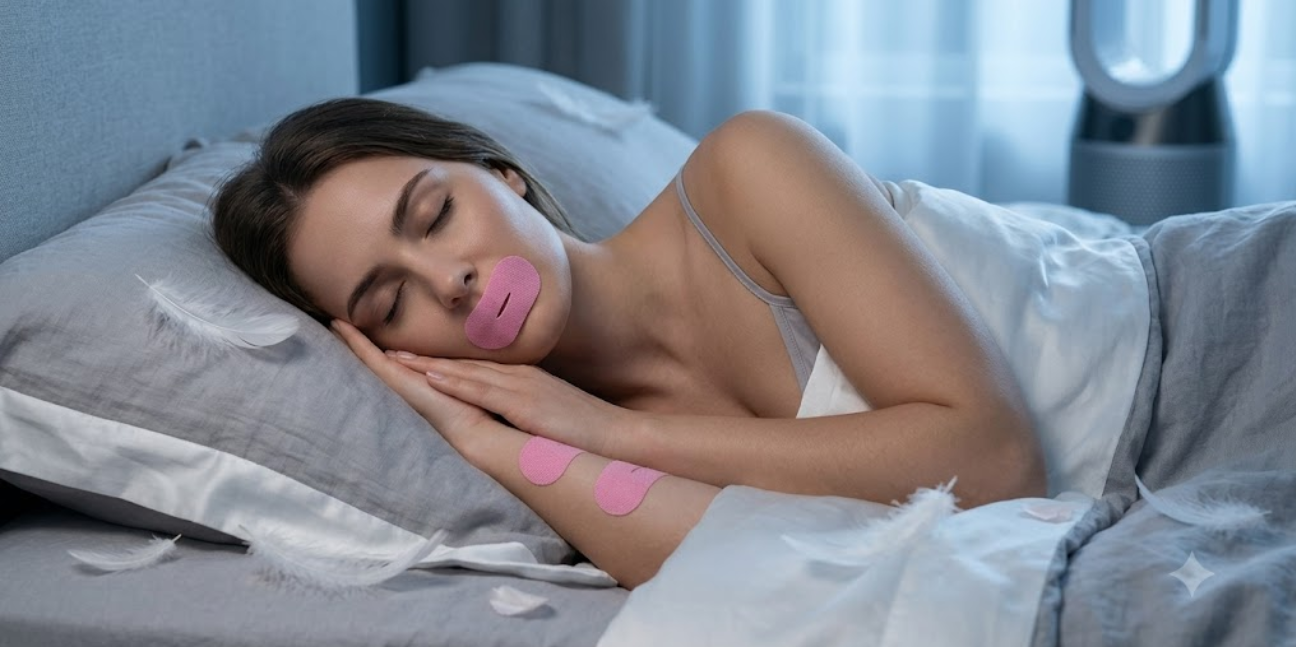
You probably pay attention to your mattress, pillow, or bedtime routine when sleep feels off. Breathing habits, however, often receive far less attention even though they can influence how rested you feel the next morning.
You probably pay attention to your mattress, pillow, or bedtime routine when sleep feels off. Breathing habits, however, often receive far less attention even though they can influence how rested you feel the next morning. If you regularly wake with a dry mouth, chapped lips, or feel tired despite spending enough hours in bed, sleeping with your mouth open could be playing a part.
Many people develop mouth breathing because of temporary congestion, allergies, sleeping position, or simple habit. Since it happens while you sleep, you may not even notice it until someone mentions your snoring or you start noticing uncomfortable mornings. Small adjustments to your nightly routine can sometimes make a noticeable difference.
Products designed to encourage nasal breathing have also become increasingly popular among people looking for a simple addition to their bedtime routine. Among these options, Schleepi offers SchleepTape Mouth Tape, a skin-friendly product created to gently encourage nasal breathing while you sleep. Rather than replacing healthy sleep habits, it fits alongside them as another practical step toward a more comfortable night's rest.
Mouth Breathing During Sleep
Sleeping with your mouth open is more common than many people realise. While your body naturally prefers breathing through your nose, certain situations can make mouth breathing feel easier during the night. Congestion from seasonal allergies, a blocked nose, or even your sleeping position may encourage this habit.
You might not notice it happening until the morning arrives. A dry mouth, scratchy throat, unpleasant morning breath, or waking several times during the night can all be signs that your mouth stayed open while you slept. Some people also notice their lips becoming dry or cracked after waking up.
Mouth breathing does not always indicate a serious concern, but it can affect how refreshed you feel. If it becomes a frequent part of your sleep, paying attention to your breathing habits may be worthwhile.
Everyday Reasons Behind Mouth Breathing
Your breathing pattern at night often reflects what happened during the day. A blocked nose from allergies or a lingering cold can naturally encourage you to breathe through your mouth instead. Even after congestion improves, the habit sometimes continues without you noticing.
Sleeping flat on your back may also contribute for some people. As your muscles relax during sleep, your mouth may fall open more easily, making mouth breathing more likely throughout the night.
Lifestyle factors can also influence your breathing. Dry indoor air, poor sleep routines, or regularly going to bed with a blocked nose may all make comfortable nasal breathing more difficult. Looking at these everyday habits first often provides a good starting point before adding anything new to your bedtime routine.
Comfortable Sleep Starts With Nasal Breathing
Your nose does much more than simply move air in and out. It naturally filters, warms, and humidifies the air before it reaches your lungs, making breathing feel more comfortable throughout the night.
When your mouth stays closed during sleep, many people notice fewer problems with waking up thirsty or dealing with dry lips the next morning. Some also feel their sleep becomes less interrupted because they spend less time waking from discomfort.
Although everyone's experience is different, encouraging nasal breathing has become a popular wellness habit among people looking for practical ways to improve their nightly routine. It is a small adjustment that fits alongside healthy sleep habits rather than replacing them.
Practical Habits That Support Better Nighttime Breathing
Improving your breathing while sleeping does not always require major lifestyle changes. Small adjustments often work well when practised consistently.
Keeping your bedroom free from dust, changing pillowcases regularly, and managing seasonal allergies may help keep your nasal passages feeling clearer before bedtime. Staying hydrated throughout the day can also reduce dryness that sometimes makes breathing uncomfortable overnight.
Your sleeping position also deserves attention. Some people notice they breathe more comfortably when sleeping on their side instead of lying flat on their back. Creating a relaxing bedtime routine, limiting heavy meals before bed, and giving yourself enough time to unwind may also contribute to a more restful night.
These habits may appear simple, but together they create an environment that supports comfortable breathing before you even turn off the lights.
Simple Sleep Accessories That Support Better Breathing
Healthy sleep habits create a strong foundation, but some people like adding simple accessories to their bedtime routine. Items such as nasal strips, humidifiers, and mouth tape have become popular because they are easy to use and require very little effort once your routine is established.
These products are not designed to replace medical advice or treat sleep disorders. Instead, they are intended to encourage habits that may help you sleep more comfortably. If your mouth tends to fall open during the night despite your efforts to improve your routine, a gentle mouth tape may be worth considering.
The key is choosing a product made specifically for overnight use rather than using ordinary household tape. Skin-friendly materials and thoughtful design make a noticeable difference in both comfort and ease of removal.
SchleepTape Mouth Tape Supports Comfortable Nighttime Breathing
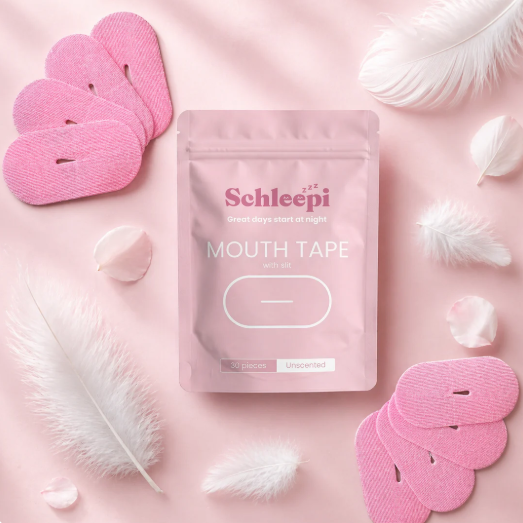
For anyone interested in trying mouth tape, SchleepTape Mouth Tape from Schleepi has been designed specifically for overnight wear. Instead of simply covering your mouth, the product is made to gently encourage nasal breathing while you sleep.
The tape uses a hypoallergenic adhesive intended to stay comfortably in place throughout the night while remaining gentle during removal. It is also latex-free, making it a suitable choice for many people looking for skin-friendly materials.
Each strip is designed for single use, helping you start each night with a fresh application. The collection is available in multiple colours, giving you a little more choice without changing the product's purpose or performance.
One feature that makes the collection particularly beginner-friendly is the option with a small centre slit. This design allows limited talking or drinking if needed while you are getting used to wearing mouth tape. Many people appreciate having a gradual way to build the habit instead of switching immediately to a fully sealed design.
Like any sleep accessory, mouth tape works best when you can already breathe comfortably through your nose. It should not be used if you have significant nasal blockage or any condition that prevents normal nasal breathing.
Consistent Habits Often Bring Better Results
Many bedtime routines focus only on getting enough hours of sleep, yet the quality of those hours matters just as much. Small adjustments carried out consistently often have a greater effect than making dramatic changes for only a few days.
If you are working on improving your sleep, start by looking at your overall routine. Give yourself a regular bedtime, keep your bedroom comfortable, stay hydrated, and try to reduce anything that makes nasal breathing difficult before going to bed.
When those habits are already in place, adding a thoughtfully designed sleep accessory may feel like a natural next step. Simple products are often easier to include in your nightly routine because they require very little extra effort once they become familiar.
Better Sleep Begins With Better Breathing Habits
Good sleep rarely depends on one single change. It usually comes from a combination of comfortable surroundings, healthy routines, and paying attention to the small habits that shape your night.
If mouth breathing has become part of your sleep without you realising it, making gradual improvements may help you wake feeling more refreshed and comfortable. Paying attention to how you breathe while sleeping is a simple place to begin.
For anyone looking for a product created specifically to encourage nasal breathing during sleep, Schleepi offers SchleepTape Mouth Tape with hypoallergenic, latex-free, single-use strips available in several colours, including a beginner-friendly version featuring a small centre slit for added comfort while adjusting to the habit. Combined with healthy bedtime practices, it can become a practical addition to your nightly routine as you work toward more comfortable, restful sleep.
Support healthier nighttime breathing with Schleepi SchleepTape Mouth Tape and practical sleep habits for a more comfortable night's rest.