How to Sleep Better Naturally in 2026: A Practical Guide to Deep, Restorative Rest

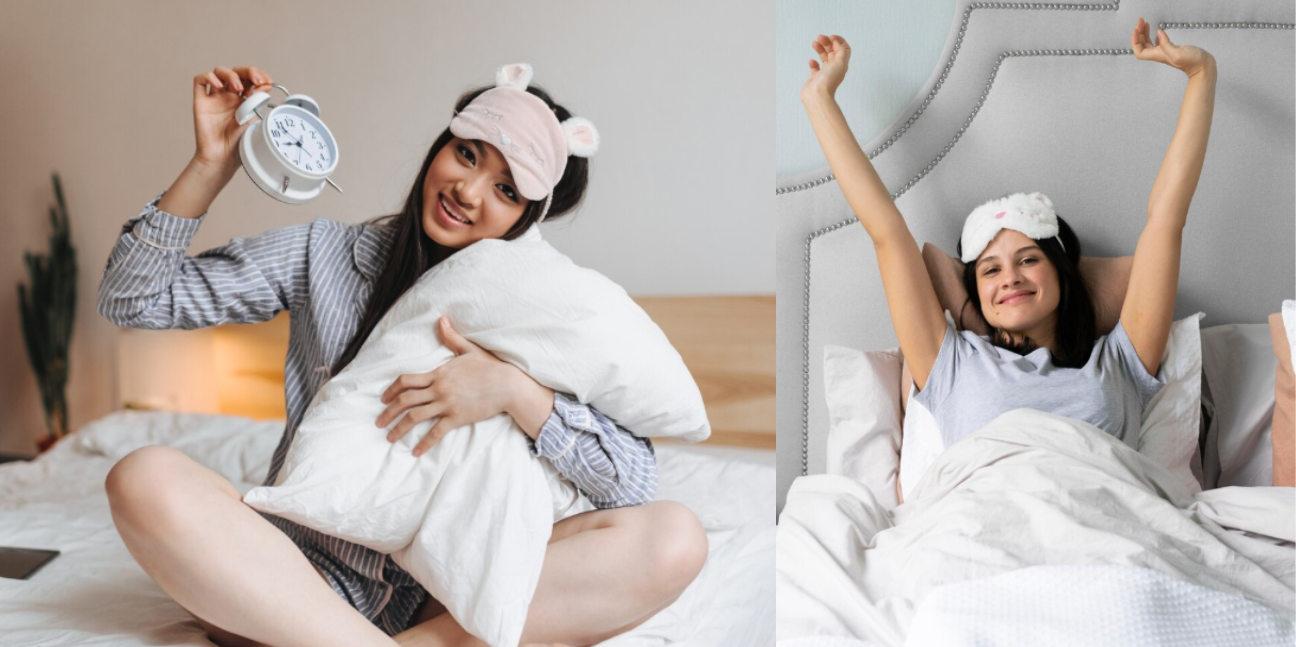
In 2026, people track nearly everything about their health. Smart watches measure heart rate, sleep cycles, and recovery scores. Despite this constant monitoring, many individuals still wake up feeling exhausted. This contradiction reveals a growing sleep crisis. Modern lifestyles expose the brain to continuous stimulation long after sunset. Phones, tablets, televisions, and bright indoor lighting trick the brain into believing that it is still daytime.
The 2026 Sleep Crisis
In 2026, people track nearly everything about their health. Smart watches measure heart rate, sleep cycles, and recovery scores. Despite this constant monitoring, many individuals still wake up feeling exhausted. This contradiction reveals a growing sleep crisis. Modern lifestyles expose the brain to continuous stimulation long after sunset. Phones, tablets, televisions, and bright indoor lighting trick the brain into believing that it is still daytime.
This phenomenon is often called the blue light trap. Artificial evening light suppresses melatonin production, the hormone responsible for signaling that it is time to sleep. As a result, people struggle to fall asleep even when they feel tired. Quality sleep should not be considered optional. Restorative sleep is now widely recognized as the third pillar of health, standing alongside proper nutrition and regular physical activity.
Learning how to sleep better naturally requires understanding how your environment, habits, and daily routines influence the body’s internal clock. This guide offers practical steps to restore deep, natural sleep in a world that constantly tries to interrupt it.
1. Mastering the Light Buffet
Light exposure strongly influences the body’s internal clock. Morning sunlight acts as a biological anchor that resets your circadian system each day. Experts recommend stepping outside within thirty minutes of waking to expose your eyes to natural daylight. Even ten minutes of outdoor light helps reinforce circadian rhythm alignment and encourages healthy hormone patterns.
This early sunlight exposure signals to the brain that the day has begun. Evening light requires the opposite approach. After about 7:00 PM, shifting to dim, warm lighting encourages the body to transition into a restful state. Bright overhead lights and glowing screens late at night can confuse the brain by mimicking daytime conditions.
Following simple sleep hygiene tips based on light exposure can dramatically improve sleep quality. Health authorities such as the NIH recommend practicing light hygiene by reducing artificial brightness at night. By controlling your personal “light buffet,” you guide your body naturally toward sleep.

2. The Temperature Drop: Signaling Sleep Onset
Body temperature plays an important role in the sleep process. As bedtime approaches, the body naturally lowers its core temperature. This subtle drop signals the brain that it is time to transition into sleep. You can support this process through simple routines. Taking a warm shower or bath approximately one hour before bed can help. Warm water causes blood vessels to expand, a process known as vasodilation.
After leaving the bath, the body begins cooling down, reinforcing the natural temperature drop that triggers sleep. Your sleeping environment also matters. Most sleep specialists recommend maintaining a bedroom temperature around sixty five degrees Fahrenheit, or eighteen degrees Celsius. This cooler environment supports deep sleep optimization by preventing overheating during the night. Small environmental adjustments often make a noticeable difference in sleep quality.
3. The Brain Dump Method: Clearing Mental Clutter
One of the biggest barriers to sleep in 2026 is mental overstimulation. The modern mind rarely stops processing information. Emails, messages, news alerts, and endless digital tasks create what many psychologists call cognitive popcorn. Thoughts bounce rapidly between topics, making it difficult for the brain to slow down at night.
The brain dump method offers a simple solution. Before going to bed, spend five minutes writing down your thoughts in a notebook. List worries, unfinished tasks, or plans for the following day. This practice moves those thoughts from your mind onto paper. Using an analog notebook instead of a phone is important because it avoids additional screen exposure.
Research shows that journaling before bedtime significantly improves sleep quality by reducing anxiety and preventing repetitive thought loops. Incorporating this small ritual into your evening routine supports effective sleep hygiene tips and prepares the brain for rest.

4. Movement Timing: Protecting Your Sleep Architecture
Physical activity strongly supports overall health and sleep quality. However, the timing of exercise can influence how easily you fall asleep. High intensity workouts performed late in the evening may stimulate the nervous system and raise body temperature, which can delay sleep onset for some individuals.
To protect healthy sleep patterns, schedule vigorous exercise earlier in the day whenever possible. During the evening hours, focus on gentle movement instead. Stretching, slow yoga, or short walks help calm the nervous system and prepare the body for rest. This balance allows physical activity to enhance sleep rather than disrupt it. Protecting your natural sleep architecture ensures that both REM sleep and deep sleep cycles occur smoothly during the night.

5. The 2026 No Supplement Nutrition Strategy
Many people rely on sleep supplements when they struggle with insomnia. In 2026, health experts increasingly encourage natural nutritional strategies instead. One important factor is caffeine timing. Caffeine can remain active in the body for several hours. For many individuals, experts recommend avoiding caffeine at least ten hours before bedtime to prevent interference with sleep cycles.
Meal timing also matters. Heavy or spicy meals close to bedtime force the body to focus on digestion rather than restoration. This can disrupt REM sleep and reduce sleep depth. Instead, choose lighter evening meals and focus on foods that support relaxation. Magnesium rich whole foods such as almonds, bananas, leafy greens, and seeds naturally assist muscle relaxation and nervous system balance.
These simple dietary adjustments help support deep sleep optimization without the grogginess sometimes associated with synthetic sleep aids.

6. The 10-3-2-1-0 Rule
One of the simplest frameworks for improving sleep habits is the 10-3-2-1-0 rule.
This method provides a structured approach to preparing the body for rest.
- 10 hours before bed: Avoid caffeine.
- 3 hours before bed: Avoid heavy meals and alcohol.
- 2 hours before bed: Stop working or engaging in demanding mental tasks.
- 1 hour before bed: Begin a digital detox for sleep by avoiding screens and switching to relaxing activities.
- 0: The number of times you press the snooze button in the morning.
This framework is widely recognized as a practical guide for maintaining consistent sleep patterns. When followed regularly, it supports better circadian rhythm alignment and improves long term sleep quality.

Your New Morning Starts Tonight
Improving sleep does not require complicated hacks or expensive solutions. The most effective approach is simply respecting the body’s natural rhythms. In 2026, the focus shifts away from manipulating sleep through quick fixes and toward restoring healthy biological patterns through light exposure, nutrition, movement, and consistent routines.
By learning how to sleep better naturally, practicing smart sleep hygiene tips, supporting circadian rhythm alignment, and adopting a nightly digital detox for sleep, you can rebuild your relationship with rest. Better mornings begin with better evenings. Commit to a simple one hour analog window tonight. Turn off the screens, dim the lights, and allow your body to prepare for deep, restorative sleep.
Your energy tomorrow will thank you. Learn how to sleep better naturally in 2026 with sleep hygiene tips, circadian rhythm alignment, and a simple digital detox for deeper rest.