How to Regulate Your Nervous System in 2026: A Practical Guide to Managing Chronic Stress Naturally

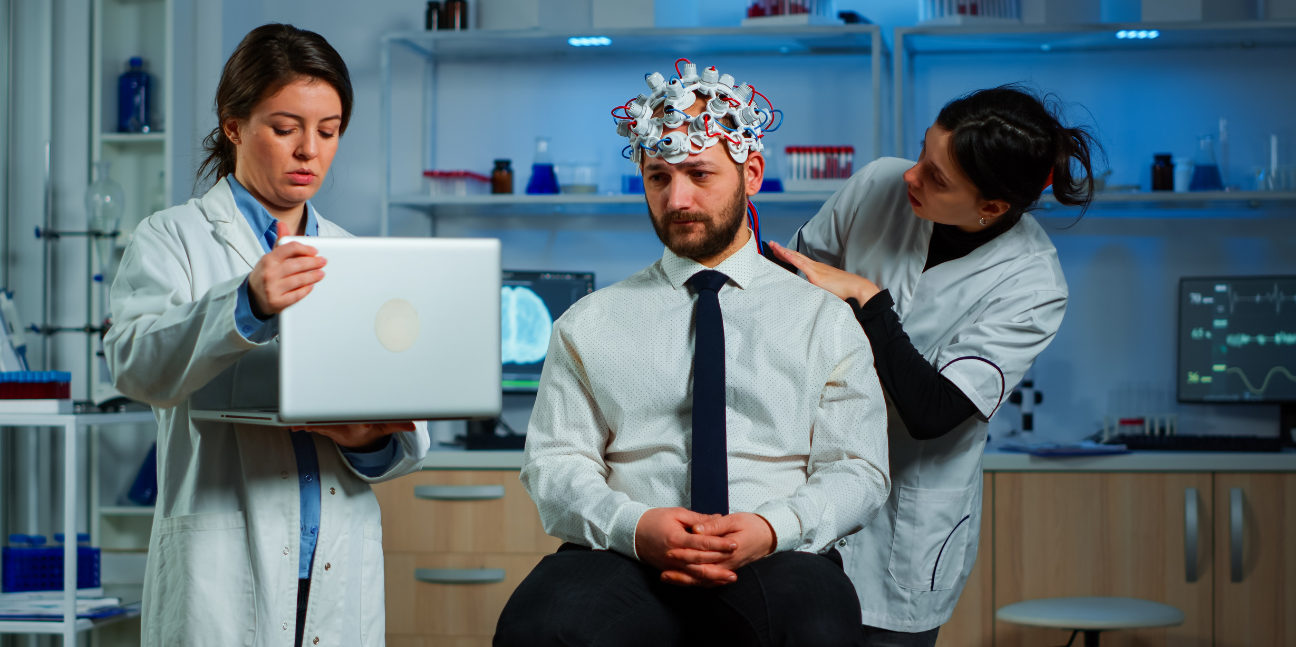
Many people in 2026 feel like their internal systems are constantly redlining. Even when schedules slow down or evenings appear calm, the body still carries a sense of tension. Sleep feels lighter, concentration becomes harder, and stress lingers longer than it should.
Beyond “Just Relaxing”
Many people in 2026 feel like their internal systems are constantly redlining. Even when schedules slow down or evenings appear calm, the body still carries a sense of tension. Sleep feels lighter, concentration becomes harder, and stress lingers longer than it should.
This experience reveals an important truth. Managing stress requires more than simply telling yourself to relax. Modern research shows that stress lives not only in thoughts but also in the physiological state of the body. The nervous system controls heart rate, breathing patterns, and hormone responses that determine whether the body feels safe or threatened.
Learning Nervous system regulation helps shift the body from survival mode into a balanced state. The goal is not eliminating stress entirely. Stress will always exist. The real skill involves building resilience so that the body can move through pressure without becoming stuck in exhaustion or overwhelm. This guide explores practical ways to support Chronic stress recovery by working directly with the nervous system.
1. Understanding the Windows of Tolerance
Some clinicians describe emotional balance using the concept of windows of tolerance. This window represents the range where a person can process emotions, think clearly, and respond calmly to challenges. When the nervous system operates inside this window, daily stress feels manageable.
Modern lifestyles, however, often push people outside this range. Fast paced work environments, digital overload, and constant information flow create what many call high frequency living. Under these conditions the body may move into hyper arousal, a fight or flight state characterized by anxiety, racing thoughts, and irritability.
At the opposite extreme lies hypo arousal. In this shutdown state people may feel numb, fatigued, or disconnected from motivation. Recognizing your personal signals becomes essential. Subtle changes in breathing, muscle tension, or emotional reactivity often indicate that the nervous system is drifting outside the calm zone.
Research referenced by the Polyvagal Institute highlights the importance of noticing these signals early so the body can return to regulation more quickly. Understanding this window provides a foundation for Chronic stress recovery.

2. The Vagus Nerve: A Bridge to Calm
One of the most important pathways for calming the body involves the vagus nerve. This long nerve connects the brain to many major organs and plays a central role in shifting the body toward a rest and digest state. When the vagus nerve becomes active, heart rate slows and breathing deepens.
Several simple techniques can stimulate this response. The cold water signal offers one example. Splashing cold water on the face for a few seconds can activate the mammalian dive reflex. This reflex slows the heart rate and encourages a calmer physiological state.
Another method involves vocal vibration. Gentle humming, chanting, or gargling activates muscles in the throat connected to the vagus nerve. These practices form part of modern Vagus nerve exercises for anxiety, which are gaining popularity within emerging neuro wellness practices.
Unlike complicated mental strategies, these methods rely on direct physical signals that help the body shift toward relaxation.
3. Somatic Techniques: Working with the Body
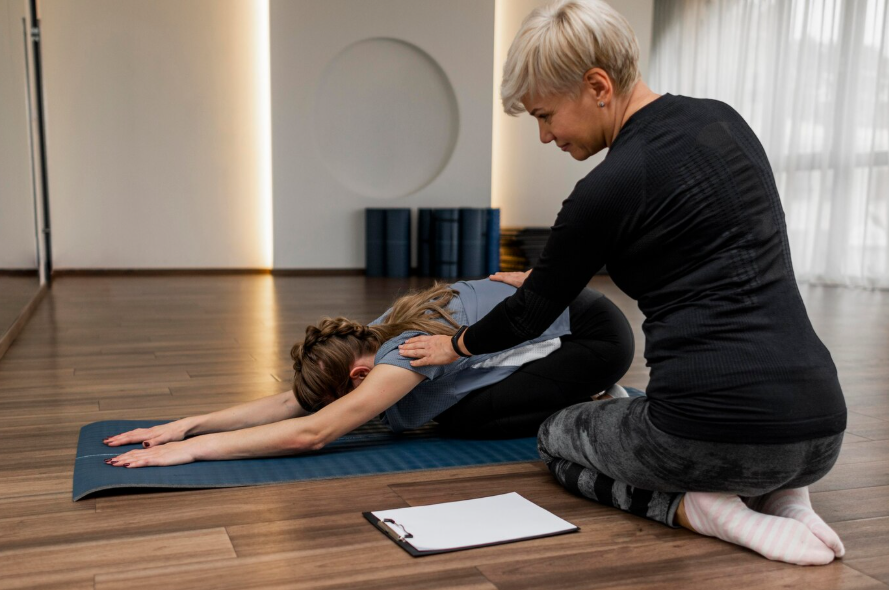
While traditional therapy focuses heavily on conversation and reflection, somatic approaches emphasize physical awareness. Somatic Experiencing is one example. This approach encourages individuals to notice bodily sensations associated with stress and release tension through gentle movement and breathing.
The body often stores unresolved stress energy in muscles and connective tissues. Simple practices such as rhythmic shaking, stretching, or slow movement can help the nervous system process that tension. Breathing techniques also support regulation.
Box breathing offers a structured pattern widely used by high performance professionals. The method involves inhaling for four seconds, holding the breath for four seconds, exhaling for four seconds, and holding again before repeating. This pattern signals safety to the brain and helps regulate heart rate.
Incorporating these physical techniques strengthens overall Nervous system regulation and improves resilience against daily stress.
4. Digital Hygiene as Nervous System Support
Technology offers many advantages, yet constant connectivity also places heavy demands on the nervous system. Frequent notification alerts and continuous news consumption can keep the brain in a heightened state of alertness. Doomscrolling through stressful information further amplifies this response.
These patterns often contribute to elevated cortisol levels, the hormone associated with stress. Creating boundaries around digital use helps protect emotional balance. Some individuals establish specific time periods for analog activities such as reading physical books, walking outdoors, or practicing creative hobbies without screens.
This practice allows the prefrontal cortex to rest and reduces overstimulation. Many wellness professionals recommend following structured programs such as the Vail Health Digital Detox Guide to create healthy digital habits. Digital hygiene therefore becomes an important part of maintaining Natural cortisol balance.

5. Nutrition and the Resilient System
Nutrition plays a crucial role in emotional stability. The gut and brain communicate constantly through the gut brain axis. Microorganisms within the digestive system influence neurotransmitter production and emotional regulation. A healthy microbiome supports both digestive health and psychological wellbeing.
Certain nutrients also contribute directly to stress resilience. Magnesium helps regulate nerve signaling and muscle relaxation. Omega 3 fatty acids support brain health and reduce inflammation associated with chronic stress. Maintaining stable blood sugar levels also helps prevent physical sensations that mimic anxiety such as shakiness, dizziness, and sudden fatigue.
Balanced meals containing protein, healthy fats, and complex carbohydrates support consistent energy and contribute to long term Natural cortisol balance.

6. The Daily Reset Checklist
Creating small daily rituals can help maintain nervous system balance.
Morning
Spend two minutes in natural sunlight while practicing slow diaphragmatic breathing. This combination helps anchor circadian rhythms and supports early day Nervous system regulation.
Mid Day
Pause briefly for a sensory grounding check in using the five four three two one method. Identify five things you see, four things you feel, three sounds you hear, two scents you notice, and one thing you taste.
Evening
Take a warm shower and begin a digital sunset by turning off bright screens. This supports evening relaxation and protects natural melatonin production.
Before Bed
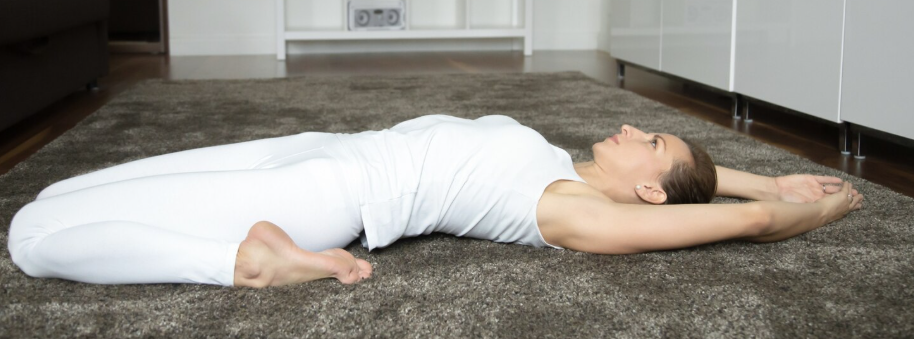
Practice a gentle restorative posture such as legs up the wall for five minutes. This position encourages circulation and helps calm the nervous system before sleep.
Choosing Resilience Over Burnout
Supporting your nervous system is not a one time solution. It is a daily practice that develops over time. Small habits such as breathing techniques, mindful movement, balanced nutrition, and digital boundaries gradually strengthen the body’s ability to handle stress. In 2026, wellbeing depends less on pushing harder and more on living in a regulated state.
By prioritizing Nervous system regulation, practicing Vagus nerve exercises for anxiety, and building habits that support Chronic stress recovery, individuals can move through challenges with greater resilience. Choose one somatic technique from this guide and practice it consistently for the next seven days.
This small commitment may become the foundation for a calmer and more balanced life. Learn how to regulate your nervous system naturally with vagus nerve exercises, somatic techniques, and daily habits that support chronic stress recovery.