How to Plan Your First Multi-Day Trek

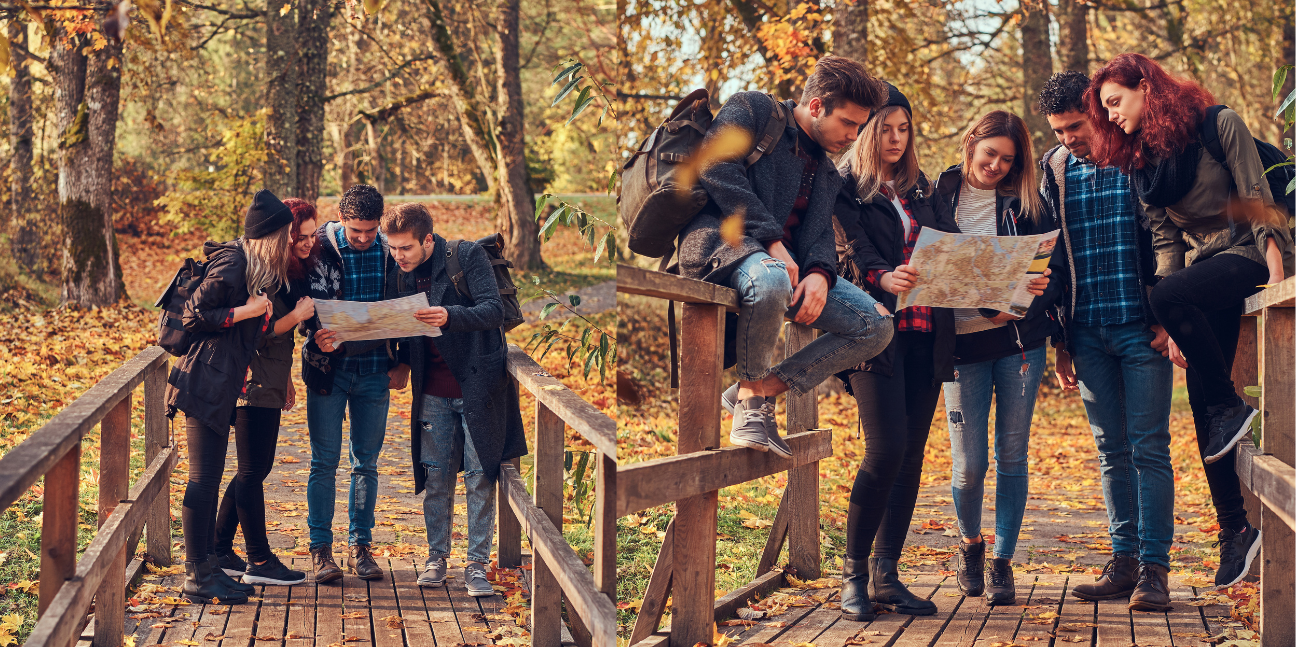
A multi-day trek is one of the most rewarding travel experiences you can undertake.
A multi-day trek is one of the most rewarding travel experiences you can undertake. Unlike a day hike, a trek lasting several days immerses you in nature, challenges your physical and mental endurance, and allows you to explore landscapes that many travelers never see. Whether you dream of hiking through mountain ranges, national parks, forests, or remote wilderness trails, proper preparation is the key to a successful and enjoyable journey.
For first-time trekkers, the idea of spending multiple days on a trail can feel overwhelming. Questions about fitness, gear, navigation, food, safety, and route planning often create uncertainty. The good news is that with the right approach, anyone can successfully complete their first multi-day trek.
This guide covers everything you need to know to plan your first trek, from selecting the right trail to packing efficiently and staying safe throughout your adventure.
What Is a Multi-Day Trek?
A multi-day trek is a hiking journey that takes place over two or more days and typically requires carrying essential supplies or staying at designated campsites, lodges, huts, or shelters along the route.
Unlike traditional sightseeing vacations, trekking focuses on traveling through natural environments by foot. Trekkers often cover significant distances each day while navigating varying terrain and weather conditions.
Popular examples include mountain treks, wilderness routes, long-distance hiking trails, and national park adventures.
Why Multi-Day Trekking Is Worth Trying
Many travelers discover that trekking offers a completely different experience from conventional tourism.
Benefits include:
- Deep connection with nature
- Improved physical fitness
- Increased self-confidence
- Reduced stress and mental fatigue
- Opportunities to disconnect from technology
- Unique scenery and wildlife encounters
- Personal growth through challenge and achievement
Completing a multi-day trek often becomes one of the most memorable travel experiences of a person's life.
Choose a Beginner-Friendly Trek
The biggest mistake first-time trekkers make is choosing a trail that exceeds their experience level.
Start with a route that offers manageable daily distances, clear trail markings, and accessible support facilities.
When selecting your first trek, consider:
Distance
Choose a trek that allows you to hike comfortably without exhaustion.
For beginners:
- 5 to 10 miles per day is often ideal
- Total trek length of 2 to 5 days is recommended
Elevation Gain
Steep climbs significantly increase difficulty.
Look for trails with moderate elevation changes rather than aggressive mountain ascents.
Trail Conditions
Research whether the route includes:
- Rocky terrain
- River crossings
- Snow conditions
- Technical climbing sections
Beginners should avoid highly technical routes.
Weather Conditions
Choose a trek during the most favorable season to minimize weather-related challenges.
Accessibility
Select a destination with reliable transportation, emergency access, and available trail information.
Research the Route Thoroughly
Once you've selected a trail, gather as much information as possible.
Study:
- Trail maps
- Elevation profiles
- Campsite locations
- Water sources
- Weather patterns
- Emergency exits
- Local regulations
The more familiar you become with the route before departure, the more confident you'll feel on the trail.
Useful information to research includes:
Daily Distances
Break the trek into manageable sections.
Know exactly how far you need to travel each day.
Camping Options
Identify designated campsites or accommodation points in advance.
Water Availability
Understand where you can refill water safely.
Trail Markers
Learn how the trail is marked and whether navigation skills are required.
Assess Your Fitness Level
Multi-day trekking requires endurance rather than speed.
You do not need to be an elite athlete, but you should prepare your body for consecutive days of hiking.
A realistic assessment of your fitness level helps prevent injuries and exhaustion.
Begin Training Several Weeks in Advance
Most beginner trekkers benefit from six to twelve weeks of preparation.
Focus on:
Walking and Hiking
Increase your weekly walking distance gradually.
Practice hiking on local trails whenever possible.
Cardiovascular Training
Activities such as:
- Running
- Cycling
- Swimming
- Stair climbing
- help build endurance.
Strength Training
Strong legs and core muscles improve stability and reduce fatigue.
Key exercises include:
- Squats
- Lunges
- Step-ups
- Planks
Practice With a Backpack
Carry the pack you intend to use during the trek.
This helps your body adapt to the additional weight.
Create a Detailed Trekking Itinerary
Planning your itinerary improves safety and reduces uncertainty.
Your itinerary should include:
- Daily hiking distances
- Expected hiking times
- Camp locations
- Water refill points
- Emergency contacts
- Transportation arrangements
Share your itinerary with a trusted friend or family member before departure.
Invest in Proper Footwear
Your trekking boots or shoes are arguably the most important piece of equipment.
Poor footwear can lead to:
- Blisters
- Foot pain
- Ankle injuries
- Fatigue
Choose footwear that:
- Fits properly
- Provides adequate support
- Has good traction
- Is broken in before the trek
Never attempt a multi-day trek with brand-new boots.
Build an Efficient Packing List
Packing too much is one of the most common beginner mistakes.
Every item adds weight and affects comfort.
Aim to pack only essentials.
Essential Trekking Gear
Basic equipment should include:
Backpack
Choose a backpack appropriate for the length of your trek.
For beginners, 40 to 60 liters is often sufficient.
Shelter
Depending on the route:
- Tent
- Hammock
- Trekking shelter
Sleeping System
Include:
- Sleeping bag
- Sleeping pad
Choose gear appropriate for expected temperatures.
Navigation Tools
Carry:
- Physical map
- Compass
- GPS device or smartphone navigation app
Never rely solely on technology.
Water System
Bring:
- Water bottles
- Hydration reservoir
- Water purification system
Pack Appropriate Clothing
Weather conditions can change rapidly during a trek.
Follow the layering system.
Base Layer
Moisture-wicking clothing that keeps sweat away from the skin.
Mid Layer
Insulating clothing for warmth.
Examples include fleece jackets and lightweight down layers.
Outer Layer
Waterproof and windproof protection.
Additional Clothing
Pack:
- Hiking socks
- Hat
- Gloves if needed
- Extra underwear
- Lightweight camp clothes
Avoid cotton whenever possible.
Plan Your Food Carefully
Food provides the energy needed to complete each day's hike.
Choose meals that are:
- Lightweight
- Nutritious
- Easy to prepare
Popular trekking foods include:
- Oatmeal
- Energy bars
- Trail mix
- Dried fruit
- Nuts
- Dehydrated meals
- Peanut butter
- Instant rice
- Pasta
Estimate daily calorie needs realistically.
Many trekkers require 2,500 to 4,000 calories per day depending on effort level.
Understand Water Management
Hydration is critical during any trek.
Research:
- Water source locations
- Water quality
- Seasonal availability
Carry a reliable purification method such as:
- Water filter
- Purification tablets
- UV purifier
Never assume natural water is safe to drink untreated.
Learn Basic Navigation Skills
Even well-marked trails can become confusing.
Before your trek, learn how to:
- Read a topographic map
- Use a compass
- Follow GPS tracks
- Identify landmarks
Navigation knowledge can prevent dangerous situations.
Prepare for Weather Changes
Weather is one of the most unpredictable factors on a trek.
Always check forecasts before departure.
Be prepared for:
- Rain
- Wind
- Temperature drops
- Unexpected storms
Pack emergency layers even if favorable weather is expected.
Understand Leave No Trace Principles
Responsible trekking protects natural environments.
Follow these principles:
Plan Ahead
Prepare thoroughly to minimize environmental impact.
Stay on Trails
Avoid creating new paths.
Dispose of Waste Properly
Pack out all trash.
Respect Wildlife
Observe animals from a safe distance.
Minimize Campfire Impact
Use designated fire areas where permitted.
Preserving nature ensures future generations can enjoy the same landscapes.
Learn Basic Trekking Safety
Safety should always be a priority.
Important precautions include:
Inform Someone About Your Plans
Always leave a trip plan with a trusted contact.
Carry Emergency Supplies
Bring:
- First aid kit
- Emergency shelter
- Headlamp
- Extra food
- Extra water treatment
Know Your Limits
Turn back if conditions become unsafe.
Reaching the destination is never worth risking your safety.
Prepare Mentally for the Challenge
Physical preparation is important, but mental preparation matters just as much.
During a multi-day trek, you may experience:
- Fatigue
- Weather discomfort
- Sore muscles
- Unexpected delays
Accepting these challenges as part of the experience helps maintain a positive mindset.
Focus on:
- Progress rather than speed
- Enjoying the scenery
- Celebrating small achievements
Practice Camping Before the Trek
If your route involves camping, spend a night or two practicing beforehand.
Test:
- Tent setup
- Sleeping gear
- Cooking equipment
- Backpack organization
This reduces stress when you're in the wilderness.
Trek With a Partner or Group
For a first trek, traveling with an experienced companion can be highly beneficial.
Advantages include:
- Shared knowledge
- Increased safety
- Navigation assistance
- Motivation during difficult sections
Solo trekking can be rewarding but is generally better suited to experienced hikers.
Common Beginner Mistakes to Avoid
Many first-time trekkers encounter avoidable problems.
Common mistakes include:
Overpacking
Extra weight quickly becomes exhausting.
Wearing Unbroken Boots
This often leads to painful blisters.
Ignoring Weather Forecasts
Unexpected weather can dramatically increase difficulty.
Hiking Too Fast
Maintain a sustainable pace.
Skipping Training
Physical preparation improves comfort and safety.
Poor Hydration
Drink consistently throughout the day.
Not Testing Gear
Always test equipment before your trip.
What to Expect During Your First Trek
Your first multi-day trek may not be perfect.
You may experience:
- Sore muscles
- Challenging weather
- Unexpected obstacles
- Moments of self-doubt
These experiences are normal and often become part of the adventure.
Most trekkers finish their first journey with a strong sense of accomplishment and a desire to plan their next trek.
Final Thoughts
Planning your first multi-day trek may seem intimidating, but proper preparation transforms the experience from stressful to rewarding. By choosing an appropriate trail, training consistently, packing carefully, and understanding basic trekking skills, you can approach your adventure with confidence.
The key is to start small, learn from each experience, and focus on enjoying the journey rather than rushing toward the destination. Every experienced trekker was once a beginner, and every successful expedition starts with thoughtful planning.
With the right mindset and preparation, your first multi-day trek can become the beginning of a lifelong passion for outdoor adventure and exploration.