Backpacking Tips for First-Time Travelers

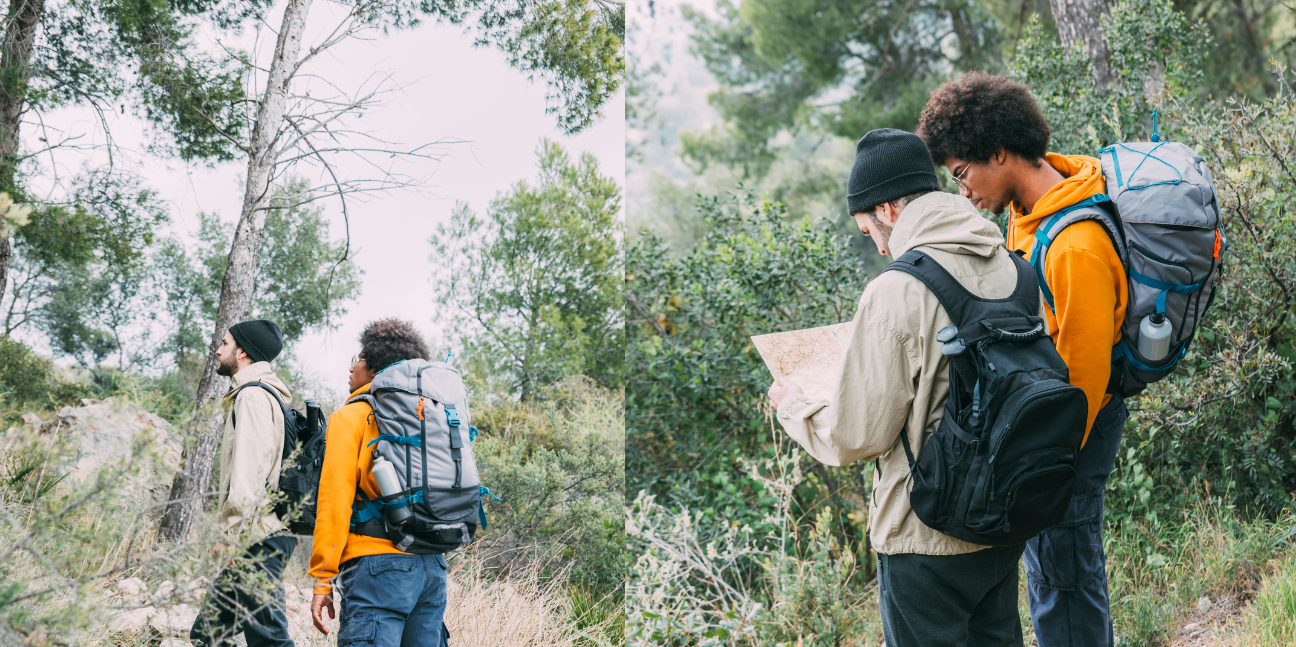
Backpacking is one of the most exciting and rewarding ways to explore the world.
Backpacking is one of the most exciting and rewarding ways to explore the world. Unlike traditional vacations, backpacking offers flexibility, adventure, cultural immersion, and the freedom to create your own journey. It allows travelers to discover new destinations at their own pace while often spending less money than conventional tourists.
For first-time travelers, however, backpacking can seem intimidating. Questions about packing, budgeting, transportation, accommodation, safety, and planning often create uncertainty. Many beginners worry about carrying everything they need, navigating unfamiliar places, and adapting to life on the road.
The good news is that backpacking does not require years of experience. With proper preparation and realistic expectations, your first backpacking trip can become one of the most memorable experiences of your life.
This guide covers essential backpacking tips that will help first-time travelers travel smarter, avoid common mistakes, and enjoy every step of the adventure.
Why Backpacking Is Different From Traditional Travel
Backpacking is about more than simply carrying a backpack.
It is a travel style focused on:
- Flexibility
- Independence
- Budget-conscious exploration
- Cultural experiences
- Adventure
- Long-term travel opportunities
Unlike package vacations, backpackers often make decisions as they go, allowing for spontaneous discoveries and unique experiences.
Many travelers find backpacking more immersive because it encourages interaction with locals and fellow travelers.
Choose the Right Destination for Your First Trip
Your first backpacking destination can significantly influence your overall experience.
Choosing a beginner-friendly location makes travel less stressful and more enjoyable.
What Makes a Destination Backpacker-Friendly?
Look for destinations with:
- Good transportation networks
- Affordable accommodations
- Established tourism infrastructure
- Safe environments
- English-speaking tourism services
- Reliable internet access
Great Destinations for First-Time Backpackers
Popular beginner-friendly regions include:
- Southeast Asia
- Western Europe
- Australia
- New Zealand
- Portugal
- Thailand
- Vietnam
- Indonesia
These destinations offer strong backpacker communities and relatively easy travel logistics.
Start With a Realistic Travel Plan
Many first-time travelers make the mistake of trying to see too much in a short period.
Overplanning often leads to exhaustion and unnecessary stress.
Focus on Quality Over Quantity
Instead of visiting ten cities in two weeks, consider spending more time in fewer destinations.
Benefits include:
- Reduced transportation costs
- Less travel fatigue
- Better cultural immersion
- More meaningful experiences
Slow travel often becomes one of the most rewarding aspects of backpacking.
Choose the Right Backpack
Your backpack becomes your mobile home during the trip.
Selecting the right pack is one of the most important decisions you'll make.
Backpack Size Matters
Many beginners buy backpacks that are far too large.
For most trips, a backpack between:
- 40 and 60 liters
is sufficient.
A smaller backpack encourages smarter packing and reduces physical strain.
Prioritize Comfort
Look for:
- Adjustable shoulder straps
- Hip belts
- Ventilated back panels
- Lightweight materials
Always try a backpack on before purchasing whenever possible.
Pack Less Than You Think You Need
One of the most common backpacking mistakes is overpacking.
Nearly every experienced backpacker eventually learns the same lesson: less is more.
Why Overpacking Is a Problem
Extra weight creates:
- Back pain
- Fatigue
- Mobility challenges
- Transportation difficulties
Every item should justify its place in your bag.
Follow the Rule of Versatility
Pack items that serve multiple purposes.
Examples include:
- Quick-dry clothing
- Lightweight layers
- Convertible pants
- Multipurpose shoes
Versatile gear reduces overall packing volume.
Create a Smart Packing List
A basic backpacking packing list includes:
Clothing
Pack:
- T-shirts
- Lightweight pants
- Shorts
- Underwear
- Socks
- Rain jacket
- Warm layer
Choose lightweight fabrics that dry quickly.
Toiletries
Bring travel-sized essentials such as:
- Toothbrush
- Toothpaste
- Deodorant
- Sunscreen
- Soap
Avoid carrying full-sized products.
Electronics
Consider:
- Smartphone
- Charger
- Power bank
- Universal adapter
- Headphones
Keep electronics simple and practical.
Invest in Good Footwear
You'll likely spend hours walking every day.
Comfortable footwear can make or break your trip.
What to Look For
Choose shoes that are:
- Comfortable
- Lightweight
- Durable
- Broken in before departure
Avoid bringing brand-new shoes on your trip.
Blisters are among the most common problems for new backpackers.
Learn Basic Budgeting Skills
Backpacking is often associated with affordable travel, but poor budgeting can quickly create financial problems.
Create a Daily Budget
Include:
- Accommodation
- Food
- Transportation
- Activities
- Emergency funds
Tracking expenses helps prevent overspending.
Build an Emergency Fund
Unexpected situations happen.
Examples include:
- Missed flights
- Medical expenses
- Lost belongings
- Transportation disruptions
Always maintain financial reserves.
Stay in Hostels
Hostels remain one of the best accommodation options for backpackers.
Benefits of Hostels
They offer:
- Affordable lodging
- Social opportunities
- Shared kitchens
- Local travel advice
- Group activities
Many lifelong friendships begin in hostel common rooms.
Choose Quality Over Price
The cheapest hostel is not always the best choice.
Consider:
- Reviews
- Location
- Cleanliness
- Security
- Facilities
Reading recent reviews can prevent unpleasant surprises.
Travel Insurance Is Essential
Many first-time travelers skip travel insurance to save money.
This is often a costly mistake.
What Travel Insurance Covers
Depending on the policy, coverage may include:
- Medical emergencies
- Trip cancellations
- Lost luggage
- Travel delays
- Emergency evacuation
A small investment can prevent major financial losses.
Keep Important Documents Secure
Losing documents abroad can create significant complications.
Essential Documents
Carry:
- Passport
- Travel insurance information
- Emergency contacts
- Visa documentation
- Copies of reservations
Store digital backups in secure cloud storage.
Learn Basic Local Phrases
You do not need fluency to improve your travel experience.
Learning a few phrases demonstrates respect and often leads to better interactions.
Useful phrases include:
- Hello
- Thank you
- Please
- Excuse me
- How much?
- Where is the station?
Locals generally appreciate the effort.
Be Flexible With Your Plans
One of the greatest advantages of backpacking is flexibility.
Unexpected opportunities frequently become trip highlights.
Leave Room for Spontaneity
You may discover:
- Local festivals
- New travel companions
- Hidden attractions
- Unique recommendations
Rigid schedules often limit these experiences.
Prioritize Safety
Backpacking is generally safe, but awareness remains important.
Safety Tips for Beginners
Stay aware of:
- Your surroundings
- Local scams
- Transportation safety
- Personal belongings
Trust your instincts when situations feel uncomfortable.
Avoid Displaying Valuables
Expensive items can attract unwanted attention.
Keep valuables secure and discreet.
Travel Light During Daily Exploration
Leave unnecessary items at your accommodation.
Carry only essentials such as:
- Water
- Wallet
- Phone
- Passport copy
- Small first aid supplies
A lighter daypack improves comfort and mobility.
Meet Other Travelers
One of backpacking's greatest benefits is the opportunity to connect with people from around the world.
Ways to Meet Fellow Travelers
Consider:
- Hostels
- Walking tours
- Group activities
- Local events
- Transportation journeys
Many backpackers discover that friendships become one of the most memorable parts of travel.
Use Technology Wisely
Travel apps can make backpacking easier and more efficient.
Useful categories include:
- Maps
- Translation
- Transportation
- Budget tracking
- Accommodation booking
However, avoid spending the entire trip focused on your phone.
Some of the best travel experiences happen when you're fully present.
Respect Local Cultures
Backpacking provides opportunities to experience different cultures firsthand.
Respectful behavior improves interactions and supports responsible tourism.
Research Cultural Norms
Learn about:
- Dress expectations
- Religious customs
- Social etiquette
- Local laws
Understanding cultural expectations helps avoid misunderstandings.
Take Care of Your Health
Travel can be physically demanding.
Maintaining your health improves your overall experience.
Stay Hydrated
Drink water regularly, especially in hot climates.
Eat Balanced Meals
It can be tempting to rely on inexpensive fast food, but proper nutrition supports energy levels and well-being.
Get Enough Sleep
Exhaustion can negatively impact decision-making and enjoyment.
Don't Fear Traveling Alone
Many first-time backpackers worry about solo travel.
In reality, backpacking communities are often welcoming and social.
Benefits of Solo Backpacking
Traveling alone offers:
- Independence
- Personal growth
- Flexibility
- Confidence building
You can still meet people while maintaining control over your itinerary.
Accept That Mistakes Will Happen
No backpacking trip is perfect.
You may experience:
- Missed buses
- Wrong turns
- Language barriers
- Booking mistakes
These situations often become the stories you remember most.
Treat challenges as part of the adventure rather than failures.
Common Backpacking Mistakes to Avoid
Many beginners make similar mistakes.
Overpacking
This remains the most common issue.
Overscheduling
Allow time for rest and spontaneity.
Ignoring Travel Insurance
Unexpected emergencies can be expensive.
Carrying Too Much Cash
Use secure payment methods whenever possible.
Not Researching Visa Requirements
Always verify entry requirements before departure.
Build Confidence Through Small Experiences
Your first backpacking trip does not need to be a months-long journey across multiple continents.
Start with manageable goals.
Examples include:
- A one-week trip
- A neighboring country
- A well-established backpacking route
Experience naturally builds confidence.
Why Backpacking Changes the Way You Travel
Many travelers discover that backpacking fundamentally changes their perspective.
It teaches:
- Adaptability
- Problem-solving
- Independence
- Cultural awareness
- Confidence
The experiences gained often extend far beyond travel itself.
Backpacking encourages personal growth in ways that few other travel styles can match.
Final Thoughts
Backpacking for the first time can feel overwhelming, but it is also one of the most rewarding ways to explore the world. By choosing the right destination, packing light, budgeting carefully, prioritizing safety, and remaining flexible, you can create an unforgettable travel experience filled with adventure and personal growth.
The most important lesson for first-time backpackers is that perfection is not the goal. Every traveler makes mistakes, encounters challenges, and learns along the way. What matters most is embracing the journey, staying open to new experiences, and enjoying the freedom that backpacking provides.
With proper preparation and a positive mindset, your first backpacking adventure can become the beginning of a lifelong passion for travel and exploration.