A Cleaner Home With Cats: Smart Ways to Simplify Litter Box Maintenance

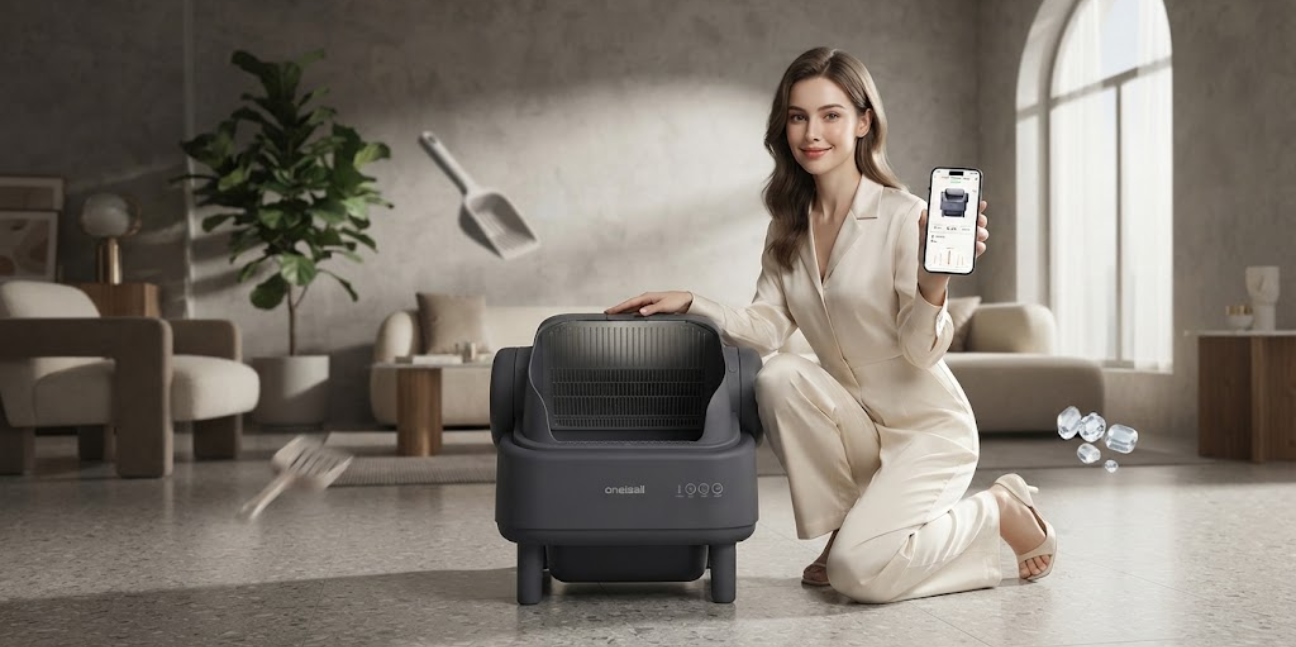
For cat owners, keeping the home clean while providing proper care for a pet can sometimes feel like a constant balancing act. Cats are naturally clean animals, but their litter boxes require regular attention to maintain hygiene, control odors, and prevent litter from spreading throughout the house. Traditional litter box maintenance often involves frequent scooping, monitoring waste levels, replacing litter, and cleaning the box itself.
For cat owners, keeping the home clean while providing proper care for a pet can sometimes feel like a constant balancing act. Cats are naturally clean animals, but their litter boxes require regular attention to maintain hygiene, control odors, and prevent litter from spreading throughout the house. Traditional litter box maintenance often involves frequent scooping, monitoring waste levels, replacing litter, and cleaning the box itself.
Fortunately, modern pet-care solutions are making these everyday responsibilities easier. Automatic and self-cleaning litter boxes can reduce the amount of manual maintenance involved while helping maintain a more consistent litter routine. For households looking for practical ways to make cat care more convenient, these solutions can be an important part of a cleaner home.
From choosing the right location to using an appropriate litter box and establishing a consistent cleaning routine, several simple strategies can make a noticeable difference. Modern options such as the Oneisall Ease S1 Self-Cleaning Litter Box, its white version, and the Oneisall Self-Cleaning Automatic Cat Litter Box for Multi-Cat Homes also provide convenient alternatives for households seeking less hands-on litter management.
Why Litter Box Maintenance Matters
A litter box is one of the most important parts of an indoor cat's environment. While cats are generally fastidious, an unpleasant or poorly maintained litter area can create problems for both the pet and the household.
Regular maintenance helps control unpleasant odors and keeps waste from accumulating. It also makes the litter box more appealing for cats, which can encourage consistent litter box use. A clean litter area can contribute to a more comfortable environment and make daily pet care easier to manage.
For owners, litter box maintenance is also closely connected to household cleanliness. Loose litter can be tracked across floors, waste can create odors, and an overflowing box can quickly become difficult to manage. A thoughtful setup combined with a reliable cleaning routine can minimize these issues.
Common Challenges of Traditional Litter Box Maintenance
Traditional litter boxes are straightforward, but they can require considerable daily attention. Depending on the number of cats in a household, owners may need to scoop several times a day, monitor the amount of litter remaining, and clean the entire box regularly.
Frequent Scooping
Scooping is one of the most repetitive aspects of cat care. Although it is an important responsibility, it can be inconvenient for people with demanding work schedules or busy households.
Missing a cleaning session can also allow waste to remain in the box longer than intended. This may contribute to odors and create a less appealing environment for the cat.
Litter Tracking
Small particles of litter can easily stick to a cat's paws and spread beyond the litter area. Over time, this can result in litter being found on floors, rugs, and furniture.
A litter mat placed outside the box can help collect some of these particles. However, regular sweeping or vacuuming may still be necessary.
Odor Management
Odor is another common concern. Even with regular scooping, litter boxes can produce noticeable smells, particularly in smaller homes or rooms with limited ventilation.
Choosing suitable litter, maintaining the box consistently, and placing it in a well-ventilated area can help. Automated cleaning solutions may also assist by removing waste more consistently.
Maintenance Becomes More Demanding With Multiple Cats
A single cat can already require regular litter box care, while households with several cats may face a much greater workload. More cats generally mean more frequent use and more waste.
For multi-cat homes, choosing a suitable litter setup is especially important. A larger-capacity automatic litter box may help simplify the routine, although owners should always consider their cats' individual preferences and household setup.
Choose the Right Location for the Litter Box
The location of a litter box can have a major effect on both cleanliness and convenience. A box should ideally be placed somewhere that is accessible to the cat but does not interfere heavily with household activities.
A quiet corner can provide privacy while allowing the cat to reach the box easily. At the same time, the area should be easy for the owner to access for routine maintenance.
Avoid placing the litter box directly beside food and water bowls. Cats generally prefer to keep their eating and elimination areas separate. A location with reasonable ventilation can also help prevent odors from becoming concentrated.
For automatic litter boxes, adequate surrounding space is particularly important. Owners should make sure there is enough room for the machine, access for the cat, and space for maintenance or waste disposal.
Consider a Self-Cleaning Litter Box
One of the most practical ways to simplify litter box maintenance is to consider an automatic self-cleaning model. These systems are designed to reduce the need for repeated manual scooping by handling waste collection through an automated mechanism.
The Oneisall Ease S1 Self-Cleaning Litter Box is one option for households looking to introduce greater convenience into their daily cat-care routine. Rather than relying entirely on manual scooping, a self-cleaning system can help automate part of the process.
The Oneisall Ease S1 Self-Cleaning Litter Box in white offers the same type of automated approach while providing a neutral appearance that can fit easily into many modern interiors. For owners who pay attention to both pet-care functionality and home aesthetics, the white finish can complement a range of room styles.
Automation does not eliminate the need for maintenance altogether. The litter box still needs to be checked, cleaned, and maintained according to its instructions. However, reducing the frequency of manual waste removal can make everyday litter management considerably more convenient.

Why Automation Can Make Cat Care Easier
Automation is becoming increasingly common in everyday pet care because it can reduce repetitive household tasks. Automatic feeders, water fountains, cameras, and litter boxes are all examples of products designed to make routine responsibilities more manageable.
A self-cleaning litter box can be particularly useful because litter maintenance is a task that needs to happen consistently. Automated cleaning can help create a more predictable routine while reducing the amount of hands-on scooping required.
For busy professionals, families, and people who spend significant time away from home, this can be a practical advantage. It can also make daily chores more manageable for households that simply prefer a lower-maintenance approach to pet care.
Keep the Litter Area Clean Beyond Scooping
A self-cleaning litter box can simplify waste management, but the surrounding area still deserves attention. A clean litter station requires more than simply removing waste.
Use a Litter Mat
A litter mat can help catch loose particles before they travel throughout the home. Placing one directly outside the litter box creates a dedicated transition area between the box and the rest of the room.
The mat should be cleaned regularly to prevent collected litter from accumulating.
Vacuum Regularly
Even with an effective litter mat, some particles may escape. Regular vacuuming around the litter area can help maintain a cleaner floor.
Homes with multiple cats may benefit from more frequent cleaning because increased litter box use can also mean more tracking.
Clean the Surrounding Area
The floor and nearby surfaces should be cleaned periodically. Dust, stray litter, and other debris can accumulate around the box over time.
Keeping cleaning supplies nearby can make this task easier. A dedicated small vacuum, broom, or handheld cleaning tool can also be useful for quick maintenance.
Managing Odors in a Cat-Friendly Home
Odor management is often one of the biggest priorities for cat owners. A combination of good litter habits, proper ventilation, and regular cleaning can help maintain a fresher environment.
Automatic waste removal can help by reducing the amount of time waste remains in the litter box. However, the litter itself still needs to be replaced and maintained according to the product's instructions.
Good ventilation is another useful strategy. If possible, the litter box should be placed in an area with adequate airflow rather than a completely enclosed space.
Air fresheners should also be used carefully. Strong fragrances can be unpleasant for cats, so maintaining cleanliness is generally a better approach than attempting to mask odors with heavily scented products.
Choosing a Litter Box for a Multi-Cat Household
Multi-cat homes have different litter management requirements. More cats can mean more frequent box usage, increased waste, and greater demand for regular cleaning.
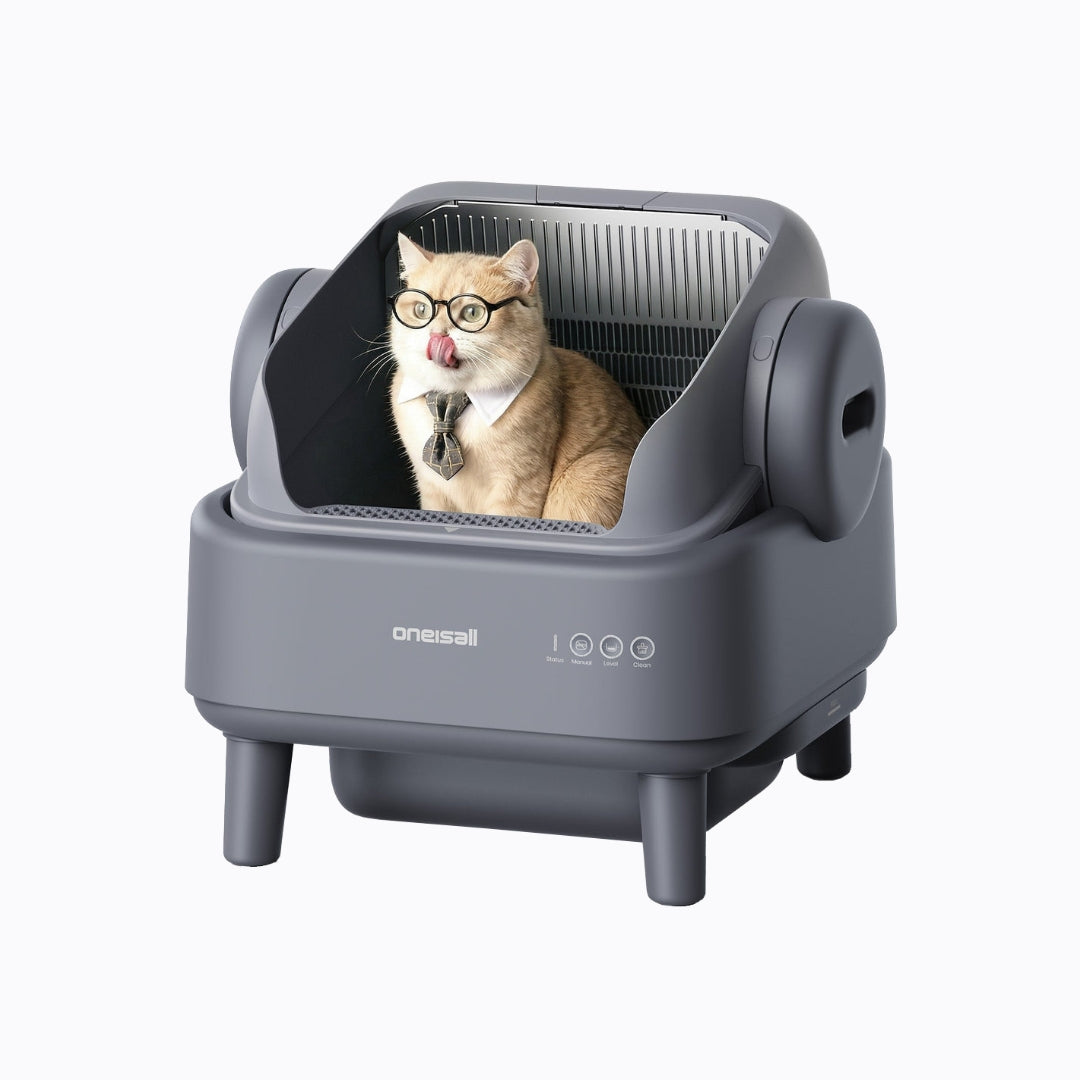
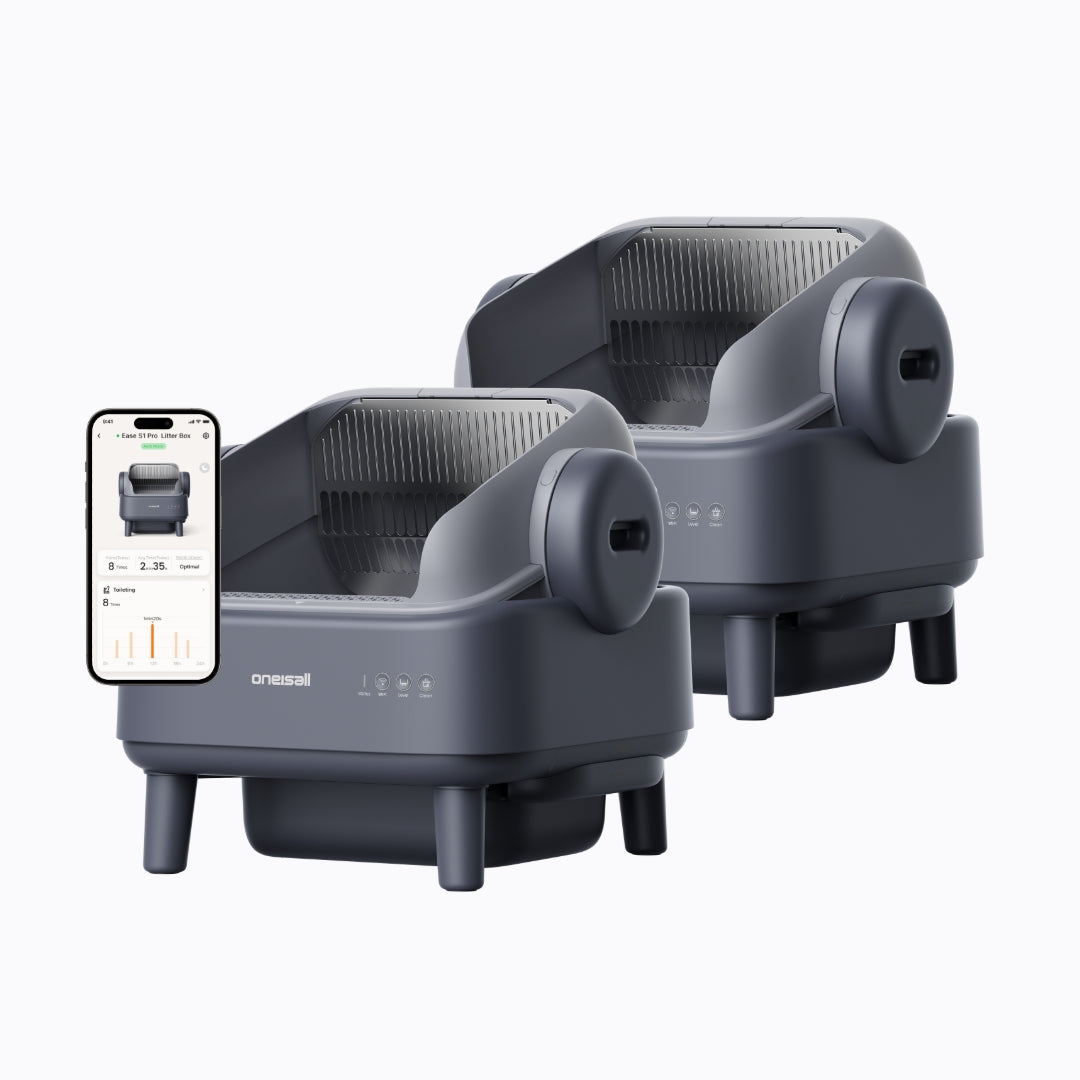
The Oneisall Self-Cleaning Automatic Cat Litter Box for Multi-Cat Homes is designed specifically around the needs of households with multiple cats. Its positioning makes it an option worth considering for owners who want to reduce the amount of manual litter management involved in a busy multi-cat environment.
Capacity, accessibility, cleaning functionality, and the individual preferences of each cat should all be considered when selecting a litter box. Not every cat will immediately accept a new automated system, so introducing a new box gradually can be helpful.
Owners should also ensure that every cat has comfortable access to an appropriate litter area. Depending on the household, multiple litter boxes may still be beneficial even when an automatic model is used.
Introduce a New Automatic Litter Box Gradually
Cats can be sensitive to changes in their environment. Replacing a familiar litter box with an automated model overnight may not always be the smoothest approach.
Instead, the new litter box can be introduced gradually. Placing it in a familiar location and allowing the cat to investigate it without pressure can make the transition easier.
The sound and movement of an automatic system may initially seem unfamiliar. Allowing the cat to become comfortable with the device before relying on its automated functions can help create a more positive transition.
Owners should also monitor how their cats respond. If a cat appears uncomfortable or avoids the new box, adjustments may be necessary.
Establish a Consistent Cleaning Routine
Even the most advanced litter box benefits from regular human attention. Automation should be viewed as a convenience rather than a complete replacement for responsible pet care.
A consistent routine can include checking the litter level, inspecting the waste collection area, cleaning removable components, and replacing litter as needed.
The exact schedule depends on the litter box, the type of litter being used, and the number of cats in the household. Following the manufacturer's maintenance recommendations is important for keeping an automatic system functioning properly.
A regular inspection can also help owners notice unusual changes in their cat's bathroom habits. Changes in frequency, appearance, or behavior may sometimes indicate that veterinary advice is appropriate.
Select Features Based on Household Needs
Not every household needs the same type of litter box. Choosing the right model starts with understanding the home's specific requirements.
A single-cat household may prioritize compact design and straightforward maintenance. A busy household may place greater emphasis on automation. Multi-cat homes may require greater capacity and more frequent waste management.
The Oneisall Ease S1 Self-Cleaning Litter Box can appeal to owners seeking a modern automated approach, while the white version can provide a similar option for those who prefer a lighter aesthetic. For households with several cats, the Oneisall Multi-Cat Automatic Cat Litter Box provides a solution designed around higher usage demands.
The best choice ultimately depends on the cat's size, habits, household space, and the owner's preferred level of maintenance.
Keep the Rest of the Home Cat-Friendly
A cleaner litter area is only one part of creating a comfortable home for cats. Other aspects of the environment can also contribute to easier pet care.
Scratchers can help direct natural scratching behavior away from furniture. Comfortable sleeping areas can provide cats with designated spaces for rest. Food and water stations should be kept separate from litter areas and cleaned regularly.
Storage can also make a difference. Keeping litter, waste bags, cleaning supplies, and other essentials organized in one location makes routine maintenance faster and more convenient.
A well-planned cat-friendly home does not have to look cluttered. Modern pet-care products can often be incorporated into existing interiors while maintaining a clean and organized appearance.
Benefits of a More Organized Litter Routine
An organized litter routine can make cat ownership feel more manageable. Instead of waiting until the litter box becomes visibly dirty or unpleasant, regular maintenance keeps the environment under control.
The biggest advantage is consistency. Waste is handled on a predictable schedule, the surrounding area is cleaned regularly, and litter supplies can be monitored before they run out.
For busy households, automation can make this consistency easier to maintain. A self-cleaning litter box can take care of part of the repetitive work, allowing owners to focus their attention on other aspects of pet care.
Common Mistakes to Avoid
Several simple mistakes can make litter box maintenance more difficult than necessary.
One common mistake is placing the box somewhere that is difficult for the cat to access. Another is waiting too long between cleaning sessions. Overloading a litter box with too many cats can also create unnecessary hygiene challenges.
Using excessive fragrances to mask odors is another approach that may not be ideal. Cats can be sensitive to strong smells, so cleanliness and ventilation are generally preferable.
Owners should also avoid assuming that an automatic litter box requires no maintenance. Automated systems still need regular inspection and cleaning to operate effectively.
A Smarter Approach to Everyday Cat Care
Maintaining a clean home with cats does not have to mean spending a large amount of time on repetitive chores. A combination of good organization, appropriate litter placement, regular cleaning, and modern pet-care technology can create a more manageable routine.
Self-cleaning litter boxes are particularly useful for reducing the hands-on work associated with waste removal. Options such as the Oneisall Ease S1 Self-Cleaning Litter Box, the white S1 model, and the Oneisall Self-Cleaning Automatic Cat Litter Box for Multi-Cat Homes provide different approaches for households with varying needs.
The key is to choose a solution that fits both the household and the cat. A convenient system should still provide easy access, comfortable use, and straightforward maintenance.
Conclusion
A clean home and happy cats can comfortably coexist with the right litter management strategy. Regular cleaning, thoughtful placement, litter mats, odor control, and an organized routine all contribute to a more pleasant living environment.
For households looking to reduce the repetitive work involved in traditional litter box maintenance, self-cleaning technology offers an increasingly practical option. The Oneisall Ease S1 models provide an automated solution for everyday cat care, while the multi-cat model is designed to address the higher demands of homes with several cats.
Modern litter management is ultimately about finding a balance between convenience, cleanliness, and responsible pet care. With the right setup and consistent maintenance, cat owners can create a cleaner, more organized home without compromising their pets' comfort.