A Beginner’s Guide to Choosing and Installing Hair Weft Extensions

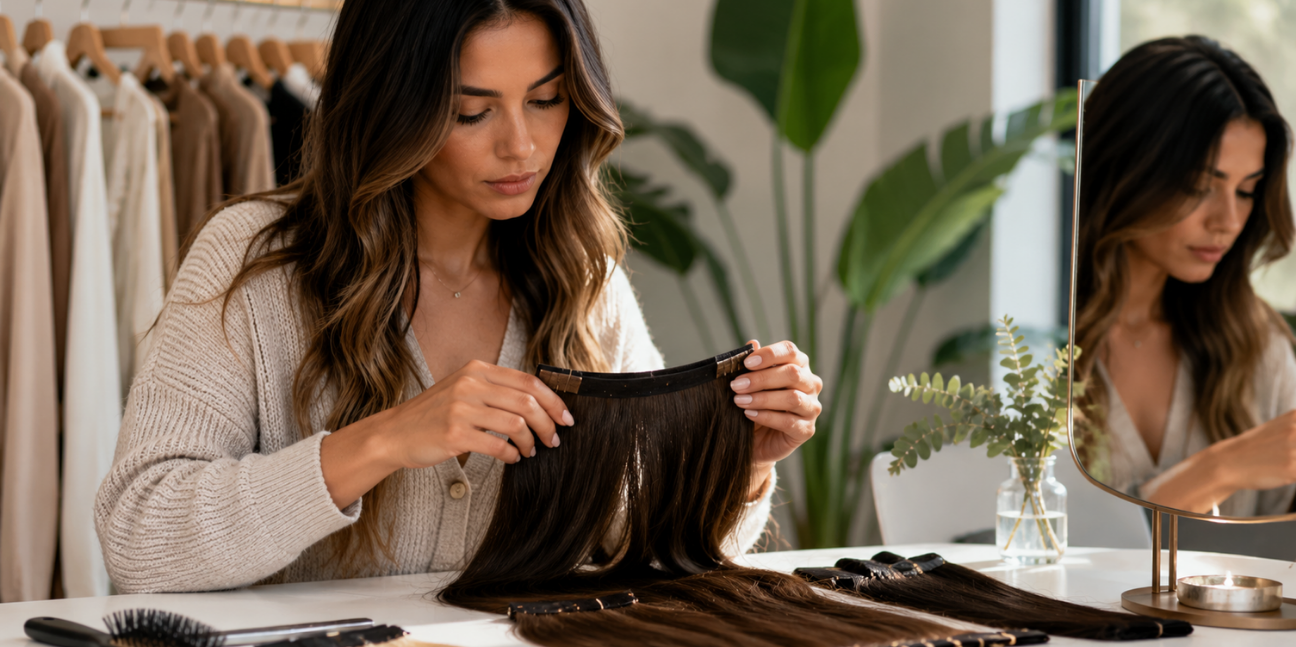
Hair extensions can transform the appearance of a hairstyle by adding length, volume, movement, and even a new dimension of color. Among the many extension methods available today, hair weft extensions remain a popular choice because they can provide substantial coverage while allowing the natural hair to blend with added strands.
Hair extensions can transform the appearance of a hairstyle by adding length, volume, movement, and even a new dimension of color. Among the many extension methods available today, hair weft extensions remain a popular choice because they can provide substantial coverage while allowing the natural hair to blend with added strands.
For beginners, however, choosing the right weft can feel complicated. Different construction methods, colors, lengths, weights, and installation techniques can make the buying process overwhelming. Understanding the basics can make it much easier to select an option that suits the natural hair and desired result.
Virgin human hair wefts are particularly appealing for people looking for natural movement and styling versatility. Vivien Hair offers several options within its virgin injected PU hole flat weft collection, including shades designed for brunette, balayage, and blonde looks. The construction is intended to sit flat against the hair while providing a discreet appearance.
This beginner’s guide explains what hair weft extensions are, how to choose the right option, how installation works, and how proper maintenance can help preserve the extensions.
What Are Hair Weft Extensions?
Hair weft extensions consist of strands of hair attached to a continuous base or weft. Instead of applying individual strands one at a time, a weft can cover a wider section of the head, making the installation process relatively efficient.
Wefts can be produced using different techniques. Traditional machine-sewn wefts, hand-tied wefts, flat wefts, and PU-based wefts each have different construction characteristics. The right option depends on the wearer's hair density, preferred installation method, styling goals, and desired level of discretion.
A PU hole flat weft is designed with a thin polyurethane base containing small openings. The hair is injected into the base, creating a flat structure intended to remain discreet when positioned correctly. Vivien Hair explains that the injected construction covers the PU surface with hair and is designed without short return hairs, while the weft can also be cut to size.
For beginners who prioritize a seamless appearance, this type of construction can be worth considering, particularly when a bulky extension base would be difficult to conceal.
Why Choose Virgin Human Hair Extensions?
The quality of extension hair plays an important role in the final appearance. Virgin human hair is hair that has not undergone the same level of chemical processing associated with many heavily treated extension products.
One of the biggest advantages of human hair extensions is their ability to move and style more naturally. Depending on the specific hair and care routine, human hair extensions can generally be washed, dried, curled, or straightened in ways similar to natural hair.
Virgin hair can also provide flexibility when creating different hairstyles. A person who prefers straight hair one day and soft waves the next can style the extensions accordingly, provided suitable heat protection and careful handling are used.
The key is to remember that extensions do not receive nutrients from the scalp in the same way as natural hair. This makes a consistent maintenance routine particularly important.
How to Choose the Right Hair Extension Weft
Choosing a weft should begin with the natural hair rather than the extension itself. Several factors can influence whether a particular option will blend successfully.
Consider Hair Density
Hair density is one of the first things to evaluate. Fine hair may require a flatter and lighter installation so that the extension base does not become noticeable. Thicker hair can often accommodate more substantial coverage.
A flat PU hole weft can be useful when a low-profile installation is important. Vivien Hair specifically describes its PU hole weft as thin and designed to lie close to the head, making it an option for people seeking minimal bulk.
Professional assessment is recommended when the natural hair is particularly fine, fragile, or prone to breakage.
Match the Color Carefully
Color matching is one of the most important steps in choosing hair extensions. Even a high-quality extension can look unnatural if its color contrasts sharply with the natural hair.
The best match does not always mean choosing the exact shade based only on the name or a screen image. Lighting, existing highlights, undertones, and previous color treatments can all affect how a shade appears.
For example, a deep brunette hairstyle may benefit from a darker brown shade, while a highlighted brunette may blend better with a dimensional balayage. Blonde hair can require even more careful matching because cool, warm, neutral, and multidimensional blonde tones can look significantly different.
Vivien Hair provides a free color-match option, which can be useful for shoppers who are uncertain about selecting an extension shade.
Select the Appropriate Length
Hair wefts commonly come in multiple lengths. Vivien Hair's featured balayage option, for example, is listed in lengths ranging from 16 to 24 inches.
The right length depends on both the current hair length and the desired finished style. A moderate increase may create a natural-looking change, while a significantly longer extension can produce a more dramatic transformation.
Very long extensions can also require more blending, especially when natural hair is considerably shorter than the added length. A professional stylist can determine where the wefts should be placed and how much natural hair should be blended into the extensions.
Exploring Different Color Options
One advantage of hair extensions is the ability to create a range of looks without committing to a permanent color change. Choosing a shade that complements the existing hair can make extensions appear like a natural part of the hairstyle.
Deep Brown for Brunette Looks
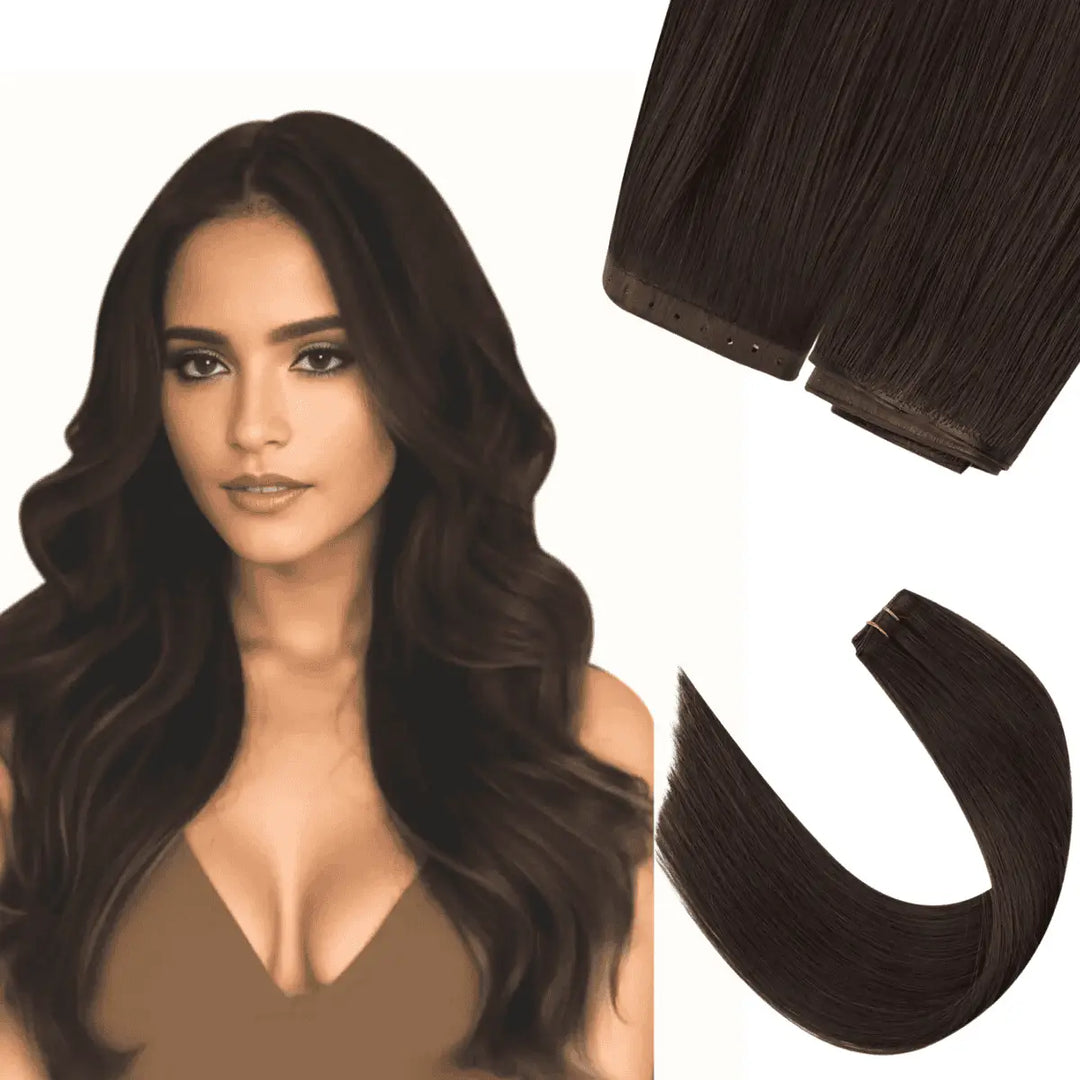
For darker brunette hairstyles, the Vivien Virgin Injected Hole Weft in #2 provides a deep brown option. It can be considered when the goal is to add length or volume while maintaining a darker brunette color direction.
Dark shades can also create a polished foundation for sleek hairstyles, soft waves, and voluminous blowouts.
Balayage for Added Dimension
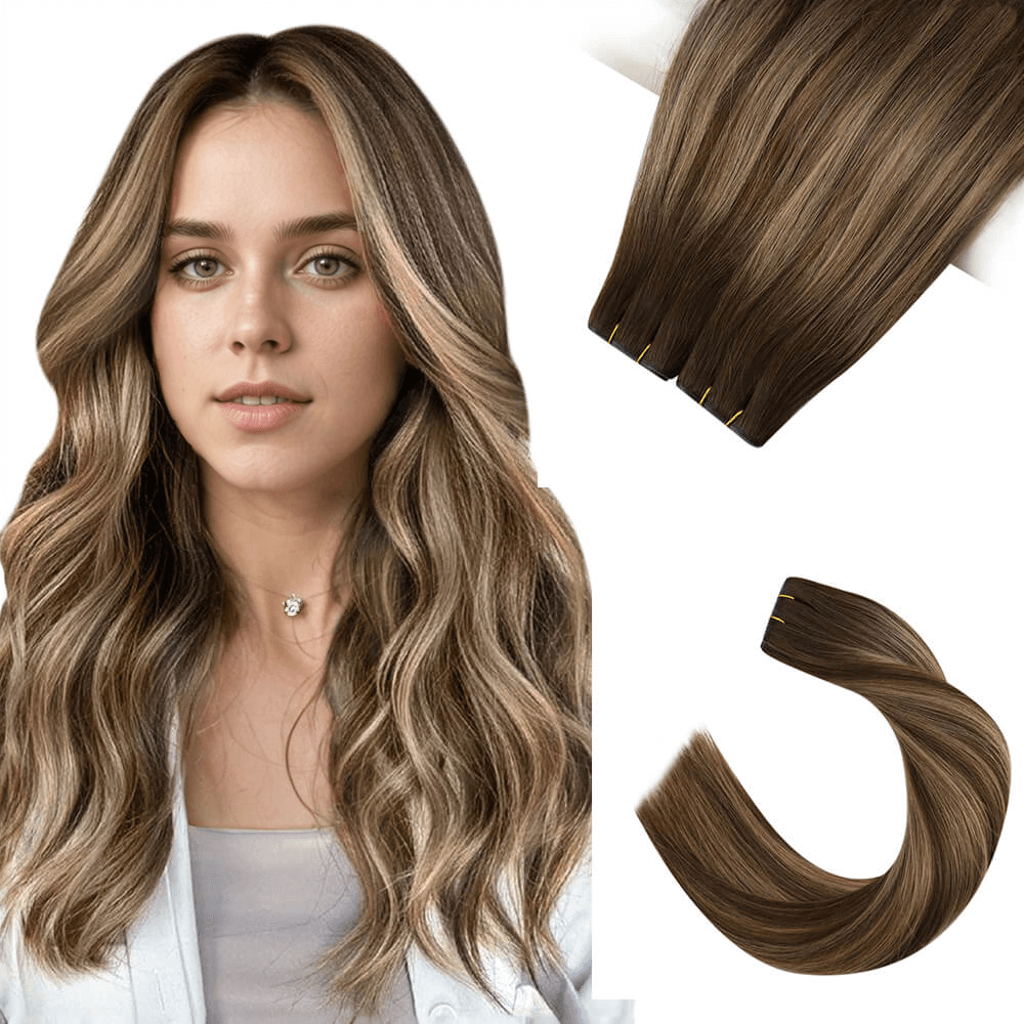
The #4/27/4 option combines darker and lighter tones to create a dimensional balayage appearance. This type of color can be particularly useful when natural hair already includes highlights or a brunette-to-blonde transition.
Instead of requiring a single flat color, multidimensional extensions can help replicate the variation found in naturally highlighted or professionally colored hair. Vivien Hair lists this option in multiple lengths, giving shoppers additional flexibility when selecting the desired finished length.
Blonde Tones for Light Hairstyles
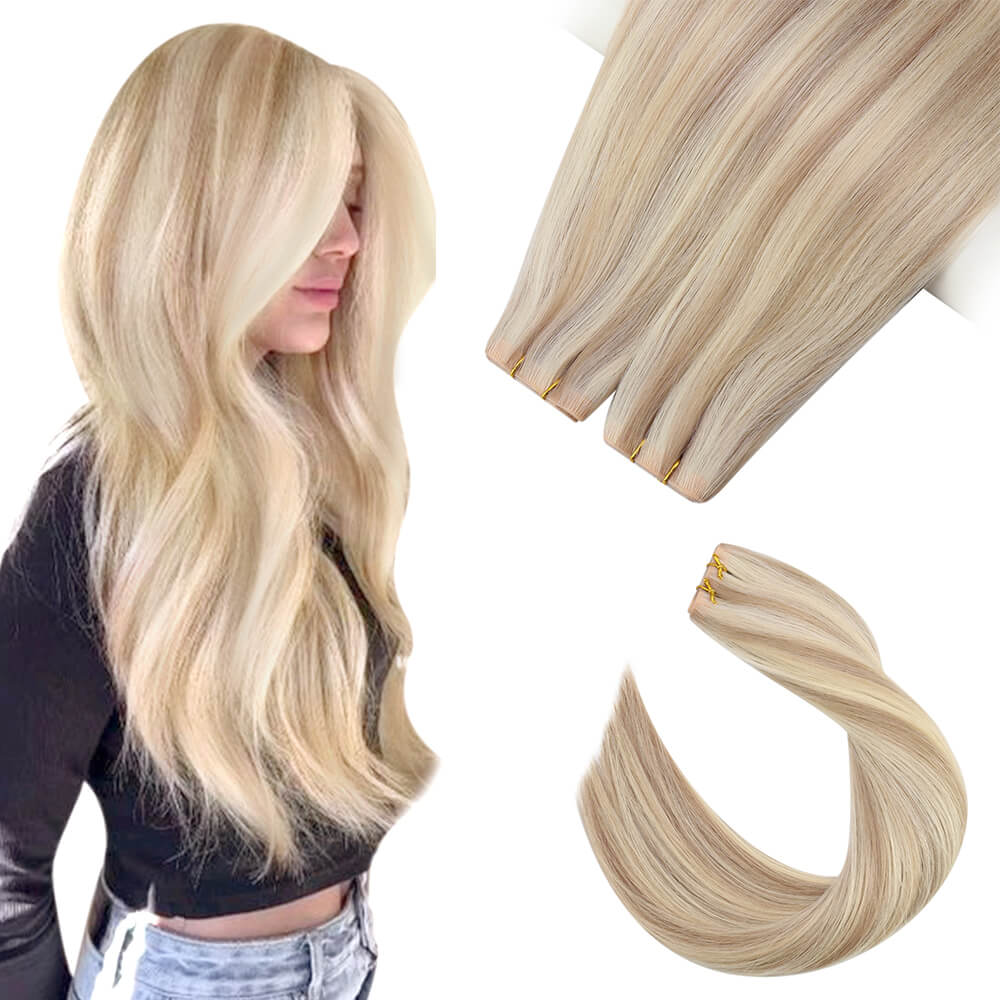
The P18/613 option offers another direction for lighter hairstyles, with piano blonde and rosy brown tones.
A multidimensional blonde can work particularly well for hairstyles where a single solid shade would appear too uniform. Careful color matching remains important, especially when the natural hair contains cool or warm undertones.
Understanding the Installation Process
Hair extension installation should be approached carefully, particularly by beginners. While some methods are marketed as easy to install, professional installation can help reduce mistakes and protect the natural hair.
Vivien Hair's instructions for its hole flat weft describe several basic steps. The weft is first cut according to the required size. Hair is then passed through the small holes using a comb, followed by micro ring beads threaded with a loop needle. The beads are secured with pliers before the top section of hair is released over the installation.
These instructions demonstrate why the construction of a hole weft differs from simply sewing a conventional weft onto a braid. The small openings in the base provide points for securing the extension.
For first-time users, a professional stylist is generally the safest choice. An experienced stylist can assess the natural hair, determine appropriate placement, select the right number of wefts, and ensure the extensions are not installed too tightly.
Preparing the Hair Before Installation
Preparation can have a significant impact on the final result. The natural hair should be clean and free from excessive product buildup before installation unless a stylist recommends otherwise.
The hair should also be detangled carefully. Any knots near the installation area can make sectioning more difficult and may increase tension after the extensions are attached.
A stylist will normally divide the hair into sections before creating the foundation for the weft. The positioning should allow enough natural hair to cover the extension while avoiding areas where the weft could become visible.
The installation should never feel painfully tight. Excessive tension can place unnecessary stress on natural strands, so discomfort should be addressed immediately rather than ignored.
How to Blend Hair Weft Extensions
Installation is only one part of creating a natural-looking result. Blending plays an equally important role.
Once the extensions are secured, the natural hair should be layered or styled appropriately so the transition between the natural strands and added hair is difficult to distinguish.
The amount of blending required depends on the length and density of the natural hair. Shorter hairstyles may need more careful layering, while long hair can often blend with less cutting.
Color also influences blending. A dimensional shade such as #4/27/4 can help create a more gradual transition when the natural hair already contains multiple tones. Similarly, the P18/613 option can complement a multidimensional blonde hairstyle rather than creating the appearance of a single solid block of color.
How to Wash Hair Weft Extensions
Proper washing is essential for maintaining the appearance of human hair extensions. Unlike natural hair, extensions are not continuously supplied with oils from the scalp along their entire length.
Vivien Hair recommends using clean, mild water, gently massaging the hair, avoiding pulling, and using conditioner. Air-drying is also recommended where practical.
The hair should be handled gently during washing. Vigorous scrubbing, rough towel drying, and aggressive brushing can contribute to tangling and unnecessary stress.
A mild shampoo can be applied primarily to the scalp and roots, while the lengths should be cleaned carefully. Conditioner can then be applied through the lengths while avoiding excessive buildup around the attachment area.
How to Brush Hair Extensions
Brushing should start at the ends and gradually move upward toward the roots. This technique reduces the amount of force placed on tangles.
A suitable extension brush or soft-bristled brush can make detangling easier. The hair should be supported near the attachment area while brushing the lengths, especially when the extensions are newly installed.
Brushing several times aggressively is generally less helpful than gently removing tangles before they become larger knots.
Nighttime care matters as well. Hair can be loosely braided or secured before sleeping to minimize friction and tangling. Sleeping with wet hair should generally be avoided because damp strands can become more vulnerable to tangling.
Styling Hair Weft Extensions
One of the main attractions of human hair extensions is styling flexibility. Straight hairstyles can create a sleek finish, while waves and curls can add volume and movement.
Heat styling should be approached carefully. A heat protectant can help reduce exposure to excessive heat, and the lowest effective temperature is generally preferable.
Extensions should not be repeatedly exposed to very high temperatures simply because they are human hair. Excessive heat can still affect the condition of extension strands over time.
When curling, smaller sections can create more consistent results. When straightening, the hair should be completely dry and detangled before using a heated tool.
Common Beginner Mistakes to Avoid
Choosing a Color Without Comparing It Properly
Online images can vary because of lighting, screen settings, and photography conditions. A shade that looks correct on one screen may appear different in person.
A professional color match can reduce this risk.
Installing the Weft Too Tightly
A secure installation should not require uncomfortable tension. Tight placement can create unnecessary stress on natural hair.
Professional installation is especially valuable for beginners who are unfamiliar with extension placement.
Using Too Many Extensions
More hair is not always better. Excessive weight can make the hairstyle uncomfortable and may make blending more difficult.
The appropriate amount depends on the natural hair's density and the desired result.
Neglecting the Attachment Area
The hair around the weft should be treated gently. Pulling, excessive brushing, and heavy product buildup can interfere with comfort and maintenance.
Ignoring Aftercare
Even high-quality virgin human hair requires maintenance. Regular conditioning, careful brushing, appropriate washing, and sensible heat styling can help preserve the appearance of the extensions.
How Long Can Hair Weft Extensions Last?
The lifespan of hair extensions varies according to the quality of the hair, installation method, maintenance routine, styling frequency, and individual use.
Vivien Hair's FAQ notes that PU hole wefts can be reused with appropriate removal and care, while its general guidance emphasizes professional installation and proper maintenance.
The extension itself may remain usable for an extended period, but the installation typically requires professional adjustment or removal as natural hair grows.
Regular salon appointments can help assess the condition of both the extensions and natural hair. A stylist can determine whether the weft should be repositioned, removed, replaced, or blended again.
When Should a Beginner Choose Professional Installation?
DIY installation may appear appealing, but extension placement requires more than simply attaching hair to the head. Incorrect positioning, excessive tension, poor sectioning, or unsuitable weight can affect both comfort and the natural hair.
Professional installation is particularly advisable for first-time users, fine hair, color-treated hair, or anyone unsure about the correct number of wefts.
A stylist can also make recommendations based on the desired hairstyle. For example, someone seeking subtle volume may need a different arrangement than someone seeking substantial length.
The goal should always be a secure but comfortable installation that blends naturally with the existing hair.
Creating a Natural-Looking Hair Extension Routine
The best results usually come from treating extensions as part of a long-term hair-care routine rather than a one-time styling accessory.
A practical routine can include gentle brushing, regular conditioning, controlled heat styling, careful washing, and appropriate nighttime protection. Regular professional checkups can also help maintain the installation and monitor the condition of natural hair.
Color maintenance should be considered as well. If the natural hair is regularly colored, changes in tone can eventually affect how well the extensions blend. Choosing a dimensional extension shade can sometimes make minor variations less noticeable, but significant color changes may still require reassessment.
Final Thoughts
Hair weft extensions can be an effective way to add length, volume, and color dimension when the right type, shade, and installation method are selected. For beginners, the process becomes much easier when the focus remains on natural hair density, accurate color matching, suitable length, comfortable installation, and consistent aftercare.
Virgin injected PU hole flat wefts offer a low-profile construction designed for a discreet appearance, while the range of available shades makes it possible to approach different brunette, balayage, and blonde styles. Vivien Hair's #2, #4/27/4, and P18/613 options demonstrate how different colors can be incorporated into extension planning depending on the desired look.
For anyone new to hair extensions, professional installation and careful maintenance remain two of the most important factors. With proper preparation, thoughtful color selection, and gentle care, weft extensions can become a versatile addition to a well-maintained hairstyle.